Views: 0 Author: Site Editor Publish Time: 2025-09-29 Origin: Site
When designing a lapel pin, size is often overlooked, yet it plays a crucial role. The right size can elevate your design, while the wrong size can make it fade into the background.
This article will guide you through the process of selecting the ideal size for your lapel pin, ensuring it stands out and works practically. You’ll learn how size affects design, visibility, and cost.
The size of your lapel pin directly impacts how visible the design is. A pin that’s too small might make it hard to see intricate details, while a pin that’s too large can become overwhelming, distracting from the overall design. A good size ensures that the pin stands out without overpowering the wearer.
Pin size not only affects its appearance but also its cost. Larger pins require more material and labor to produce, thus increasing the price. Small pins are generally more affordable, but they may limit the amount of detail you can include. Striking the right balance between size, design, and budget is essential.
Smaller pins tend to work best with simpler designs, while larger pins can accommodate more intricate details. If your design features tiny text or a lot of fine lines, you may need a larger size to ensure clarity. Consider the complexity of your design when choosing the size to ensure it’s visible and appealing.
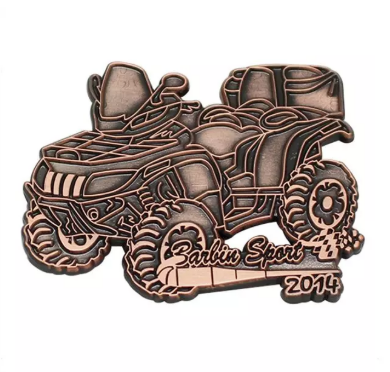
Mini pins are ideal for simple designs and subtle statements. These pins are perfect for collectors or as event giveaways, where the detail is small but distinct. They work well for accessories such as hats and collars, but their size may limit the amount of text or detail that can be included.
The most popular size range for lapel pins, standard pins offer a balance of visibility and design flexibility. These pins are suitable for corporate branding, personal expression, and small designs that don’t require intricate detail. They are the perfect size for pins that will be worn regularly and for showcasing company logos or fandom-based designs.
Larger pins make a bold statement and offer plenty of room for detailed designs, making them perfect for special editions or commemorative items. If your pin will be displayed on larger surfaces like bags or pin boards, larger sizes tend to catch more attention. However, they may be too large for everyday wear.
When selecting the size for your custom lapel pin, consider where it will be worn or displayed. For example, pins for formal events or corporate branding typically fall within the 0.75” to 1.25” range. On the other hand, pins for promotional giveaways at conventions or larger events may benefit from a larger size to stand out more.

Smaller lapel pins generally work best with minimalist or simple designs. Due to the limited space, intricate designs or fine details might get lost on a small pin. If your design involves text, a minimal graphic, or solid colors, mini pins are a great option.
Larger pins provide more surface area for complex and detailed artwork. Intricate designs with multiple colors, textures, or fine lines benefit from a bigger canvas. Larger pins can accommodate more detail without sacrificing visibility or clarity, making them ideal for logos, portraits, and multi-colored designs.
When incorporating text into your design, the size of the pin plays a critical role. Smaller pins may not provide enough space for legible text. To ensure that text is readable and well-positioned, choose a larger pin or keep the text brief and clear. A general guideline is to use at least 5pt font size for legibility.
Large pins often require additional pin posts for secure attachment, especially when the design is long or heavy. If you opt for a larger size, consider adding extra pin posts or double posts to ensure stability. This will help prevent the pin from twisting or moving when worn.
With larger pins, you have ample space for extra features such as backstamping, sequential numbering, or small logos. These additional branding elements enhance the pin’s value and make it more unique. If your pin design includes custom branding, a larger size provides the necessary space for these features.
While larger pins are eye-catching, they may not always be suitable for everyday wear. They are better suited for display or for special occasions. When choosing a larger pin, ensure that it’s something that can be comfortably worn or displayed without feeling too bulky or out of place.
Smaller pins restrict the amount of detail that can be included in the design. Fine lines, detailed graphics, or text may be difficult to execute at this scale. When designing for mini pins, keep it simple, focusing on bold lines and limited color use to ensure the design remains clear.
The smaller the pin, the more challenging it becomes to apply colors neatly. Tiny designs can look muddy if there’s not enough space for each color to stand out. Additionally, the application of paint in small areas can lead to color bleeding or uneven finishes, so it's essential to choose colors that can be neatly applied.
Mini pins are best suited for simple, iconic designs that can be easily understood at a glance. Think of logos, minimalist graphics, or small illustrations that don’t require too much fine detail. For text-heavy designs, mini pins may not be the best option, as it could compromise readability.
Start by understanding the message or purpose of your lapel pin. Is it meant to convey a corporate logo, a collectible item, or a fun, quirky design? The purpose of the pin should help dictate its size. If your goal is subtlety, opt for a smaller size; if it's to make a statement, go bigger.
Think about where the pin will be worn. Pins for hats or bags may benefit from being larger than traditional lapel pins, as they stand out more in those settings. However, if the pin is for a jacket or collar, standard lapel pin sizes work best.
Consider factors like your design complexity, the material of the pin, and your budget before choosing the size. Larger pins tend to cost more, so factor this into your decision, especially for large orders. Balancing cost, design, and size will help you make the best choice.
Pins worn on clothing generally work best in the 0.75” to 1.25” range. They remain visible without being too overpowering. For bags and hats, larger pins (1.5” to 2”) create a bold statement and catch the eye from a distance.
Pins intended for display boards or as collectible items can often be larger (1.5” to 2”), as they don’t need to adhere to the constraints of wearability. Larger sizes work well for creating visual interest when displayed in a collection.
The intended audience for your lapel pin should also influence the size. For corporate events, a more subdued, smaller pin may be appropriate. For fan events or promotional campaigns, a larger, more vibrant pin can help grab attention.
Choosing the right lapel pin size ensures your design’s visibility and functionality. Whether aiming for subtlety or a bold statement, balancing size with design complexity, use, and budget is key. Consider these factors to find the perfect size for your custom pin.
CUGLE offers a range of custom lapel pins, ensuring quality and functionality. Their pins are designed to meet diverse needs, from branding to personal expression.
A: The ideal size depends on your design’s complexity. Standard pins (0.75” – 1.25”) are versatile, while larger pins (1.25” – 2”) work better for detailed designs.
A: Small lapel pins (under 0.75”) may struggle with intricate designs. Larger sizes allow more room for detail and clarity.
A: Larger lapel pins require more material and labor, increasing the cost. Smaller pins are typically more affordable to produce.
A: Standard lapel pins (0.75” – 1.25”) are perfect for corporate branding. They balance visibility and professionalism.
A: Mini lapel pins have limited space for text. Use simple, concise messaging to ensure readability.


