Views: 0 Author: Natasha Publish Time: 2026-01-21 Origin: Site


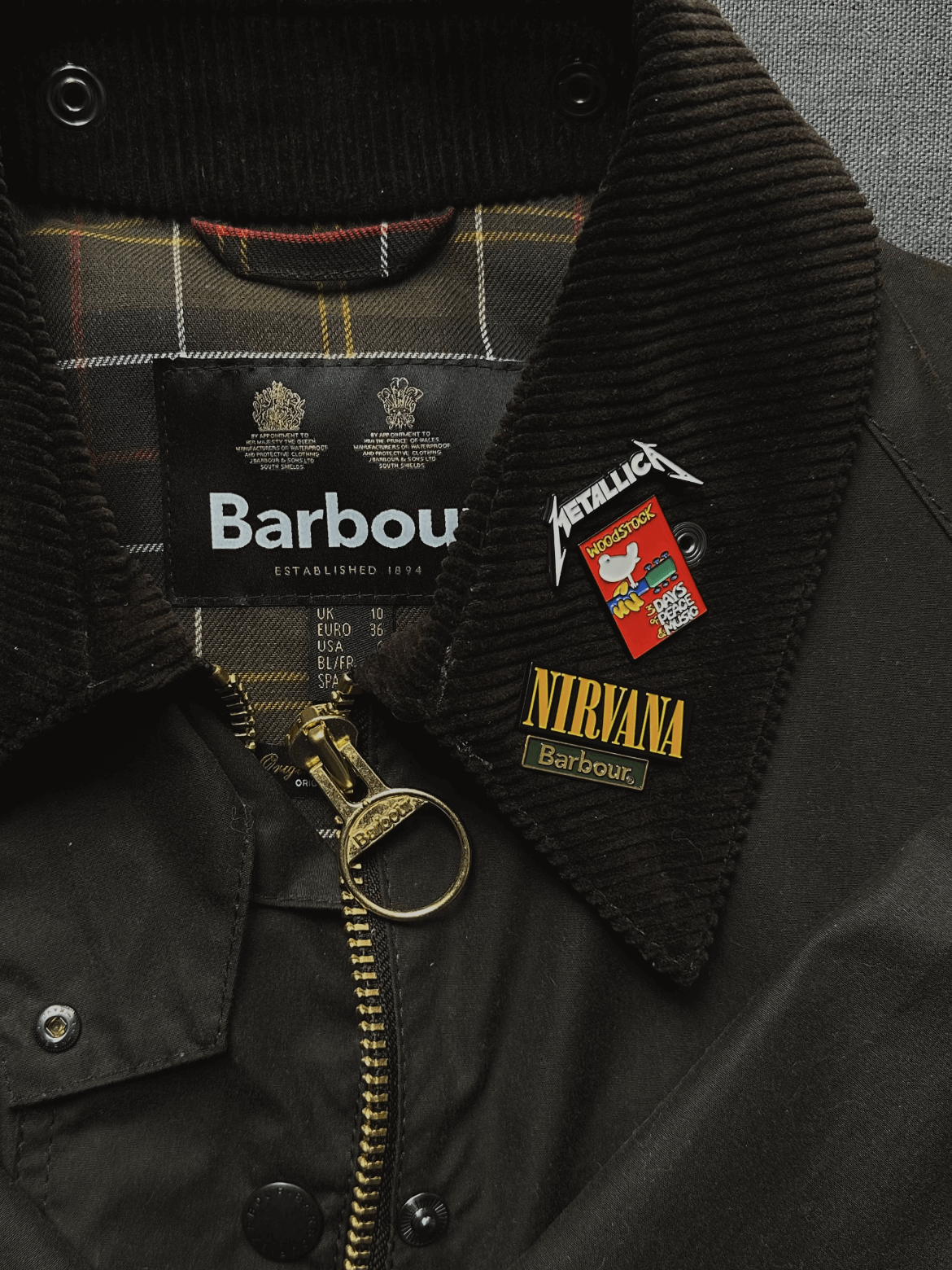
As the FIFA World Cup 2026 approaches, anticipation across the United States, Canada, and Mexico continues to build. With more host cities, more matches, and more cross-border travel than ever before, this tournament is shaping up to be not just a sporting event, but a defining cultural moment for North America. Alongside jerseys, scarves, and flags, custom football pins are quietly re-emerging as a meaningful and practical way for fans and brands alike to take part in the World Cup experience.
Unlike apparel or oversized souvenirs, football pins fit naturally into the way modern fans travel and collect memories. They are easy to carry, simple to display, and personal in a way that mass-produced items often are not. For fans moving between cities in the US, Canada, and Mexico, a pin becomes a physical marker of a specific place, match, or moment.
Over time, these pins often gain emotional value. What begins as a small purchase or giveaway turns into a collection that tells a story of movement, loyalty, and participation in a global event.
From a marketing perspective, the appeal of custom football pins lies in their flexibility. Sports bars, sponsors, local businesses, and event organizers increasingly use pins as a way to engage fans without the complexity of managing apparel inventory. Pins can be handed out during watch parties, used as loyalty rewards, or sold as limited merchandise tied to specific cities or matches.
In North America, especially in the US and Canada, pin culture already exists well beyond football. This makes enamel pins a natural extension of World Cup marketing rather than a novelty item.
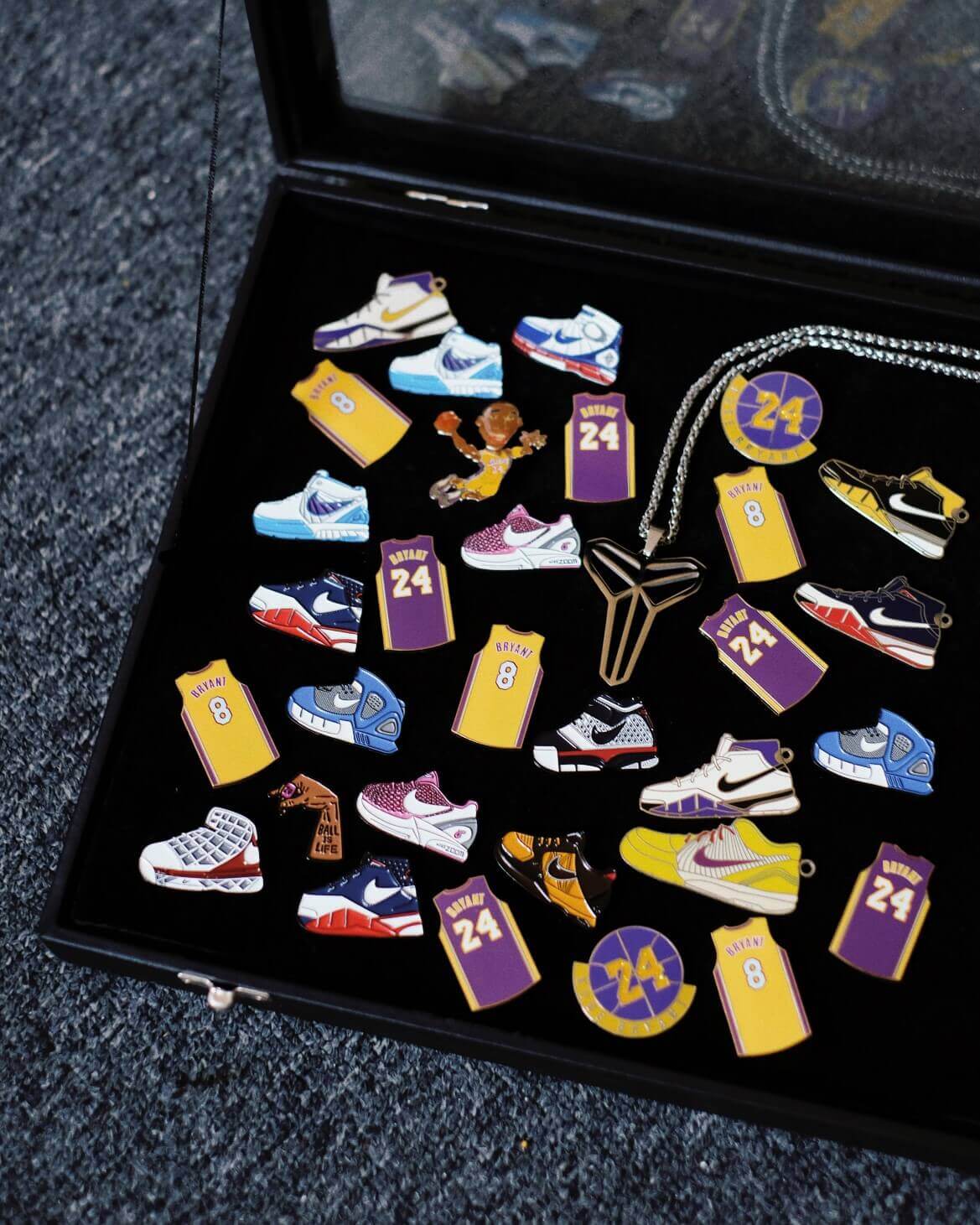
In recent years, there has been a noticeable shift in how football pins are positioned. Rather than being treated purely as promotional items, many are now designed with collectibility in mind. Limited runs, numbered editions, and higher-quality finishes appeal to fans who want something that feels exclusive.
This trend is particularly visible in the US and Canadian markets, where collectors are accustomed to associating pins with events, teams, and moments in time. For World Cup 2026, this approach allows to create merchandise that fans actively seek out, rather than passively accept.
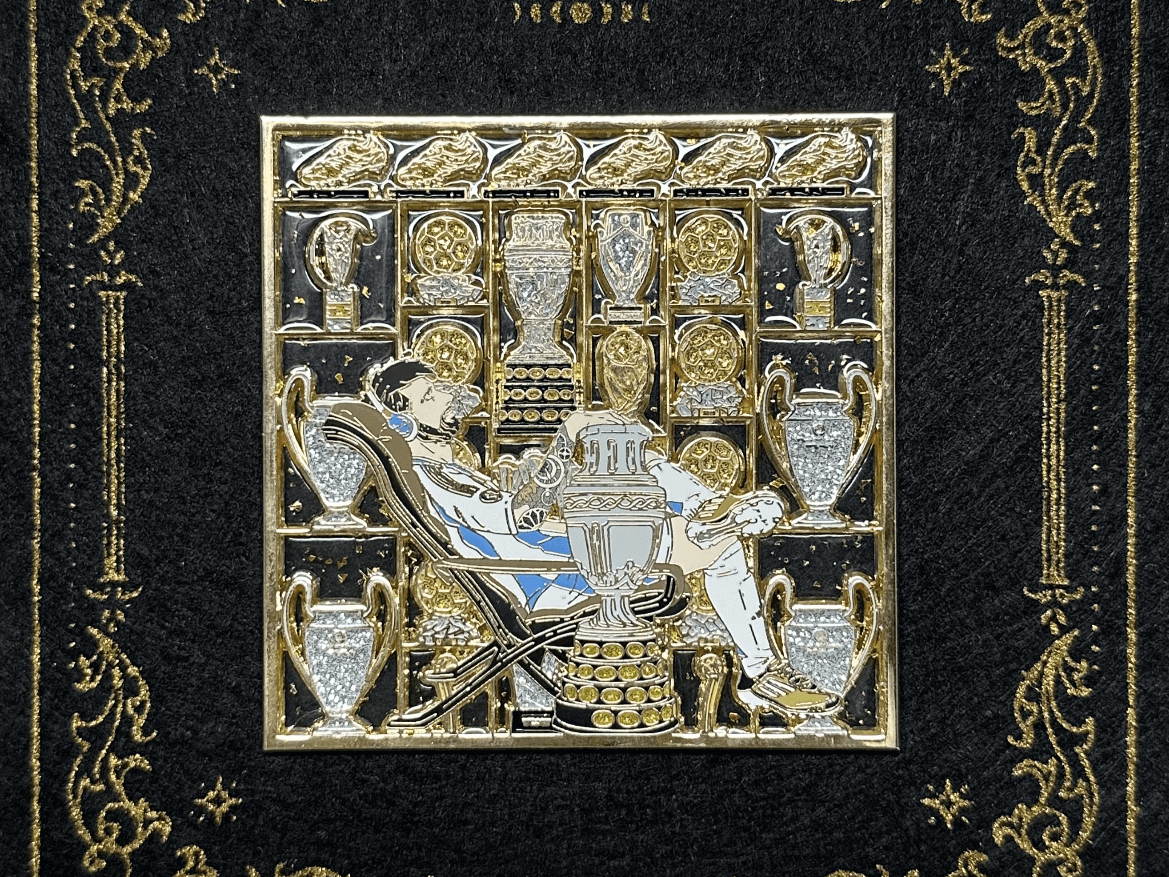
One of the most effective aspects of World Cup pin design is restraint. Because FIFA trademarks and official tournament branding are tightly controlled, many successful pins deliberately avoid them. Instead, they focus on football symbolism, national colors, host cities, football stars, and cultural references that fans instantly recognize.
City skylines, stadium-inspired shapes, national color palettes, and football motifs allow pins to feel connected to the World Cup without being tied to a single logo. This not only reduces legal risk but also makes the designs more timeless, allowing them to remain relevant even after the tournament ends.
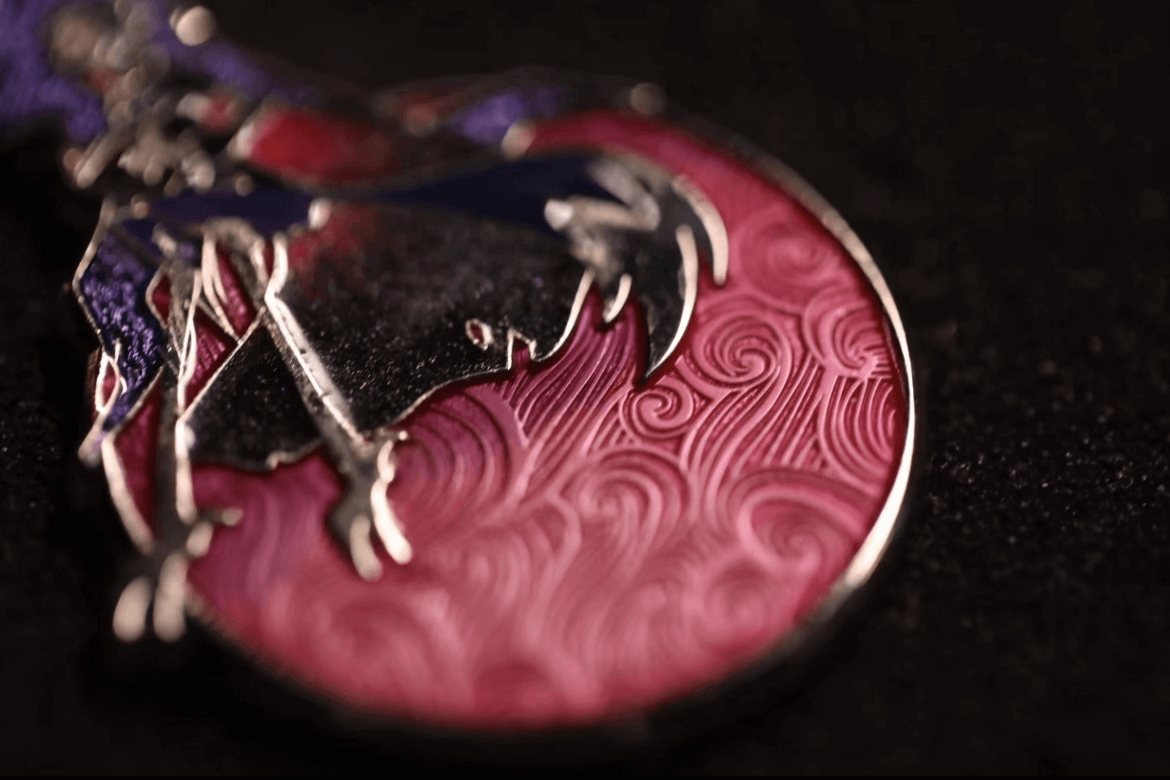
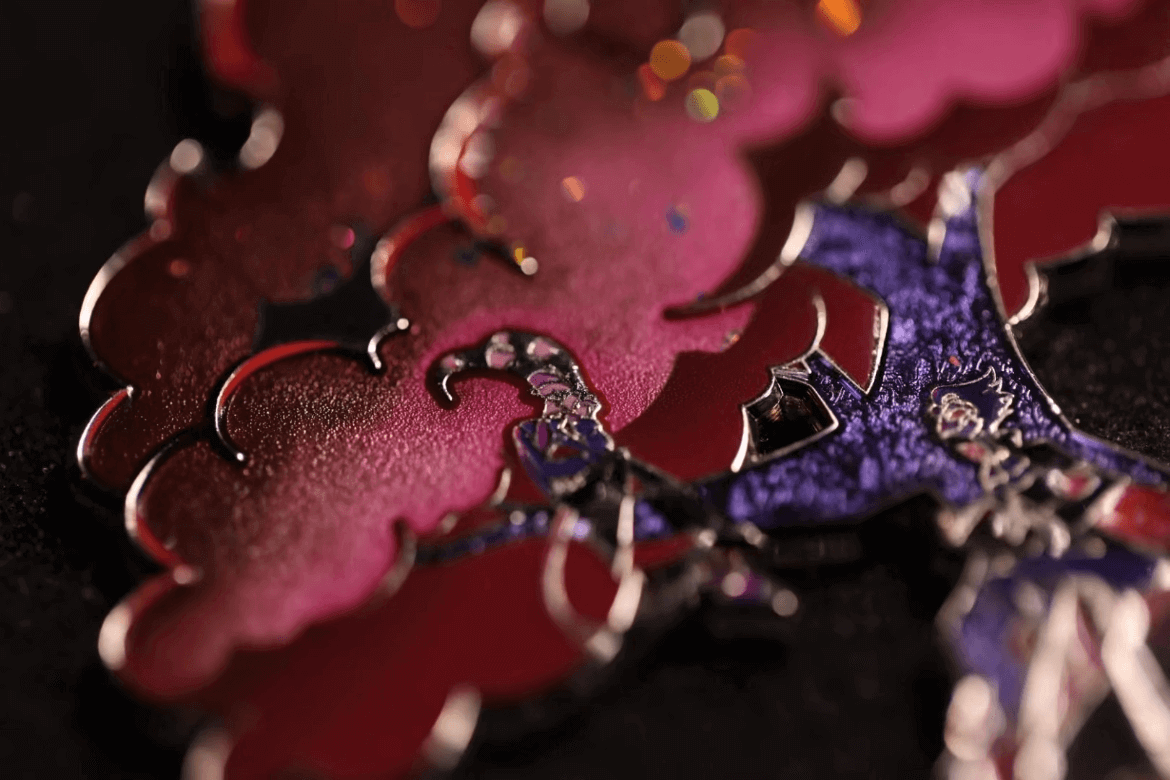
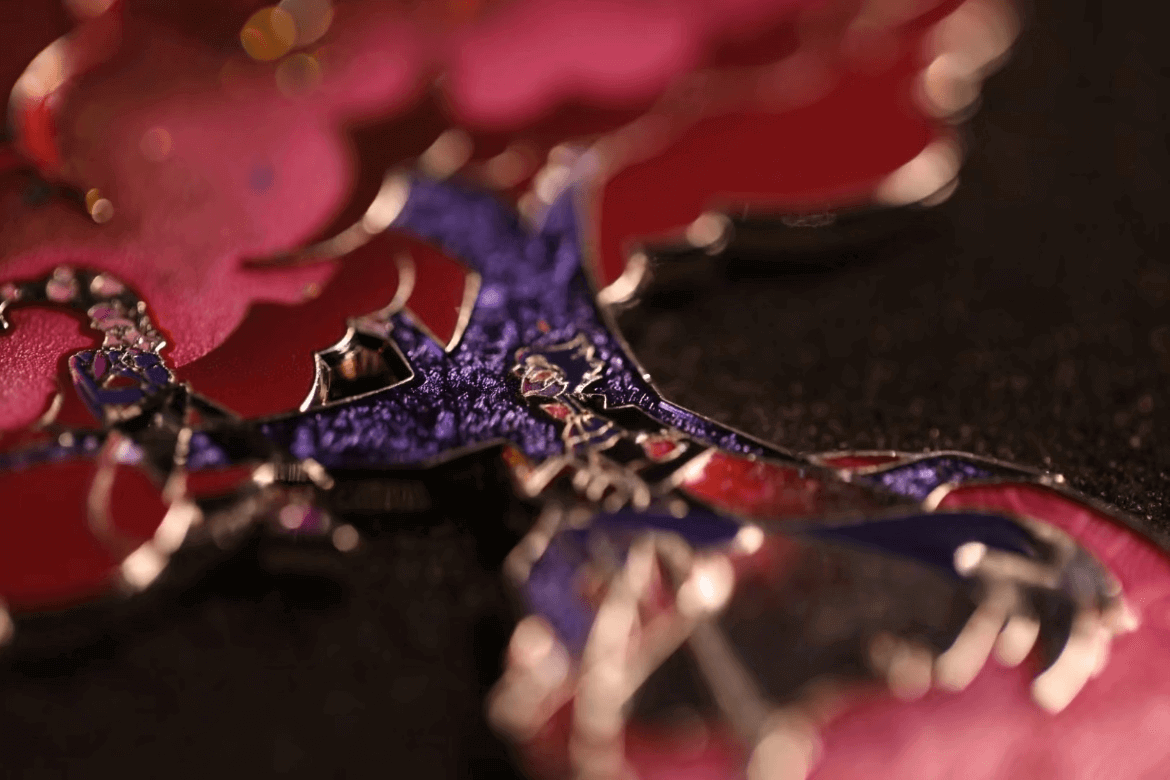

The growing popularity of football pins has also highlighted the difference between soft enamel and hard enamel styles. Soft enamel pins, with their textured surface and bold contrast, are often chosen for energetic environments such as fan zones and promotional events. They are visually strong and practical for large distributions.
Hard enamel pins, by contrast, tend to occupy a more premium space. Their smooth, polished surface appeals to collectors and audiences looking for something more refined. For World Cup 2026, many projects are expected to use both styles strategically, depending on whether the goal is mass engagement or long-term collectibility.
While fans may not think about how a pin is made, they quickly notice when something feels cheap or poorly finished. Color accuracy, plating quality, and surface finish all influence how a pin is perceived. This is especially true for designs that incorporate national flags or iconic color combinations, where even small inconsistencies can stand out.
For North American buyers planning World Cup projects, consistency and reliability often take precedence over novelty. Pins tied to specific events or match dates leave little room for delays, which is why early planning and experienced manufacturing partners play a crucial role behind the scenes.
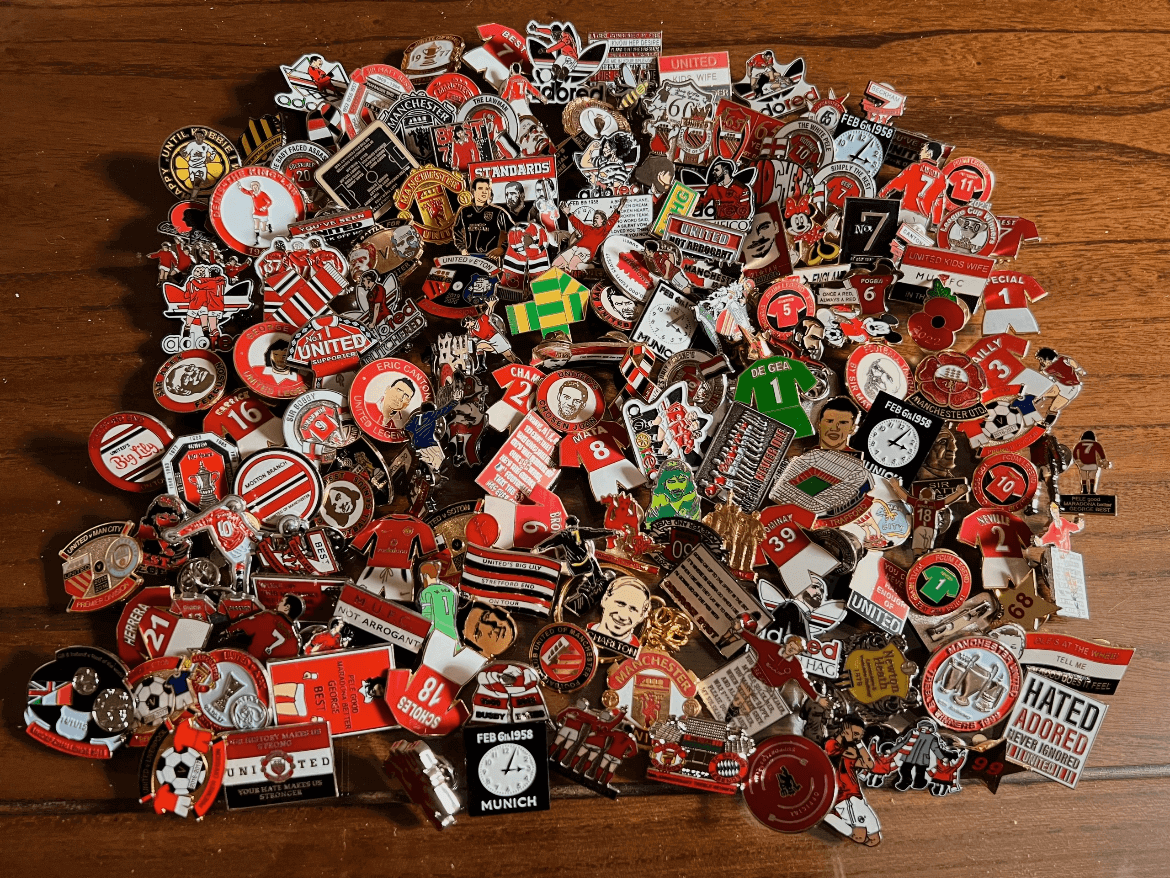
Cugle has received orders from FIFA Qatar and has consistently delivered high-quality products along with reliable service. We would be pleased to establish a cooperative relationship with you.
World Cup-related merchandise is always time-sensitive, but the scale of 2026 adds another layer of complexity. With events spread across three countries, logistics and delivery schedules become just as important as design. Pins that arrive late miss their moment entirely.
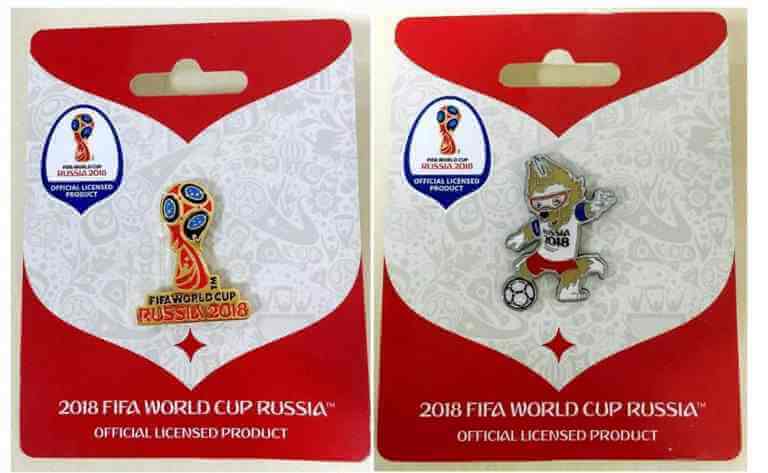
Presentation also plays a larger role than it once did. Simple backing cards or small design narratives can significantly increase perceived value, especially in the US and Canada. Even when the pin itself is affordable, thoughtful presentation helps it feel intentional rather than disposable.
As the World Cup 2026 draws closer, competition for fan attention will intensify. In that environment, the most effective merchandise is often not the loudest, but the most personal. Custom football pins succeed because they sit at the intersection of memory and identity.
For fans, a pin can represent a city visited, a match attended, or a team supported. For brands and organizers, it becomes a subtle but lasting way to be part of that story. Long after the final match is played, these small objects often remain, quietly carrying the memory of a World Cup experienced across North America.


