Views: 0 Author: Site Editor Publish Time: 2025-09-23 Origin: Site
When designing a custom lapel pin, you’re faced with a crucial decision: which type to choose? Soft Enamel, Hard Enamel, and Die-struck pins each offer unique characteristics. Understanding these differences will help you select the perfect pin for your needs.
In this article, we’ll compare these three pin types, highlighting their features and helping you make an informed choice. Whether for collectibles, corporate branding, or promotional giveaways, we’ve got you covered.
A soft enamel pin features raised metal borders that separate different areas of color. The enamel is applied to the recessed sections, giving it a textured, tactile feel. This pin style is popular for designs with multiple colors and intricate details, offering a vibrant and dynamic appearance. The cost is lower compared to hard enamel pins, making it a budget-friendly option for larger orders.
Hard enamel pins are made using a similar process to soft enamel, but with an additional step. The enamel is filled flush with the metal, resulting in a smooth, glossy finish. These pins are durable and scratch-resistant, often used for corporate, high-end, or commemorative designs. They provide a refined, professional look and are more expensive due to the labor-intensive polishing process.
Unlike enamel pins, die-struck pins use a stamping technique to carve the design directly into the metal. These pins have a simple, metal appearance, often enhanced with sandblasting or antiquing. They are ideal for those looking for a classic, vintage look without the use of enamel. Die-struck pins are typically used for award ceremonies, military pins, and other applications where the design relies on metal details rather than color.
● Soft Enamel Pins: Stamped metal base with enamel applied to recessed areas. A raised, textured surface is created.
● Hard Enamel Pins: Similar stamping process but with enamel applied flush with the metal. Pins are polished to a smooth, glossy finish.
● Die-struck Pins: Stamped directly into metal, with no enamel. The design is engraved into the pin, creating a pure metal look.
● Soft Enamel: Features a textured surface due to the recessed enamel.
● Hard Enamel: Smooth, flat finish with a glossy surface.
● Die-struck: Smooth metal with no enamel, typically polished or antiqued for effect.
● Soft Enamel: Less durable, as the enamel can be scratched or chipped more easily. However, adding an epoxy coating can improve its longevity.
● Hard Enamel: Highly durable and scratch-resistant, often compared to jewelry-grade finishes.
● Die-struck: Very durable due to the solid metal construction, with minimal risk of scratching.
● Soft Enamel: Allows for vibrant, multi-colored designs, with areas of contrast between enamel and metal.
● Hard Enamel: Provides a more polished, refined appearance but fewer color options and less visual contrast.
● Die-struck: No colors; uses metal finish, sandblasting, or antiquing for a sleek, metallic effect.
● Soft Enamel: Affordable and quick to produce, making it ideal for large orders.
● Hard Enamel: More expensive due to the intricate manufacturing process and polishing.
● Die-struck: Moderate cost, depending on the complexity of the design, but generally more affordable than hard enamel.
● Soft Enamel: Considered more casual but highly customizable. Ideal for promotional use and gifts.
● Hard Enamel: Associated with high quality and is often used for professional events, awards, or corporate branding.
● Die-struck: Offers a classic, timeless feel, often used in military or prestigious recognition pins.
● Soft Enamel: Best for large orders with intricate designs and vibrant colors.
● Hard Enamel: Ideal for premium, long-lasting pins with a smooth finish, great for corporate giveaways or luxury items.
● Die-struck: Perfect for designs that require a classic, polished metal look, such as awards or military pins.
For everyday wear, soft enamel pins provide a colorful, affordable option. However, for a lapel pin intended to be collected or displayed, a hard enamel pin offers superior durability and a sleek appearance.
Hard enamel pins are the go-to choice for corporate branding, as their polished look reflects professionalism and longevity. Die-struck pins can also work well for employee recognition, offering a simple yet refined appearance.
For events and conventions, soft enamel pins are popular due to their low cost and customization options. They offer a quick turnaround and vibrant designs, making them ideal for giveaways and promotional materials.
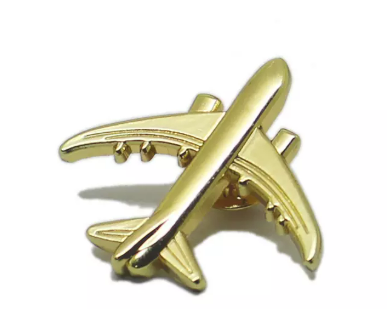
Soft enamel pins are great for intricate designs, as the raised metal borders allow for better detail. Hard enamel pins tend to lose fine details due to the smooth, polished surface. Die-struck pins excel in showcasing clean, defined lines in simpler designs.
If your design requires vibrant colors and contrast, soft enamel is your best option. For a more uniform and sleek appearance, hard enamel is the choice. Die-struck pins focus on the metal itself, with no color, allowing the design to shine through the finish.
Each pin type can be paired with different plating options such as gold, silver, nickel, or antique finishes. Choose the finish that complements your brand or event. Additionally, consider attachments like butterfly clutches or magnetic backs to enhance wearability.
Advantages: Affordable, vibrant colors, quick turnaround.
Limitations: Less durable, can scratch easily.
Advantages: Durable, sleek finish, professional look.
Limitations: Higher cost, fewer color options.
Advantages: Timeless, classic metal look, highly durable.
Limitations: No color, simpler designs.
Soft enamel pins are the most affordable and best suited for bulk orders, offering a great balance of cost and customization.
For high-value pins, hard enamel provides the luxury and longevity that reflect prestige, while die-struck pins offer a unique vintage aesthetic for collectible items.
Consider the intended use and design complexity when balancing price and quality. If you need vibrant colors and detail, go for soft enamel. If durability and a smooth finish matter most, hard enamel is ideal.
Store pins in a cool, dry place to avoid tarnishing or damage. Clean with a dry cloth or mild soap if necessary.
For hard enamel pins, avoid heavy abrasion. For soft enamel pins, ensure the epoxy coating remains intact to preserve the colors.
Ensure the lapel pin is properly stored when not in use and avoid exposure to harsh weather conditions to maintain its condition for years.
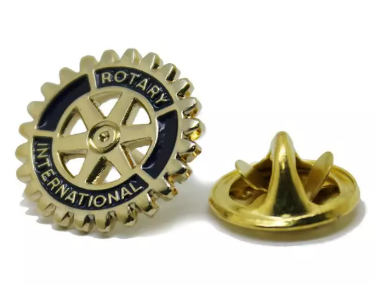
Choosing between soft enamel, hard enamel, and die-struck pins depends on your needs, budget, and design preferences. Whether you're after vibrant colors, a smooth professional finish, or a timeless metal look, each pin type has its unique advantages. Consider durability, cost, and aesthetics before making your final decision. Remember to select the lapel pin that best aligns with your brand or collection.
CUGLE offers a variety of customizable pin options, ensuring that you find the perfect match for your brand or event. Their expert services provide high-quality, durable lapel pins that meet diverse needs.
A: Soft enamel pins have a textured surface with recessed colors. Hard enamel pins are smooth, durable, and polished. Die-struck pins are stamped from metal without enamel, offering a classic look.
A: Hard enamel pins are the most durable, offering a smooth, scratch-resistant finish.
A: Yes, soft enamel pins are affordable and vibrant, making them perfect for promotional giveaways.
A: No, die-struck pins are better for simple, clean designs due to their lack of enamel filling.
A: Hard enamel pins offer a premium, polished look that is perfect for professional or corporate branding.


