Views: 0 Author: Natasha Publish Time: 2026-03-12 Origin: Cugle


These aren’t just decorations.
They’re beliefs, secret codes, and the romance shared among fandom insiders.
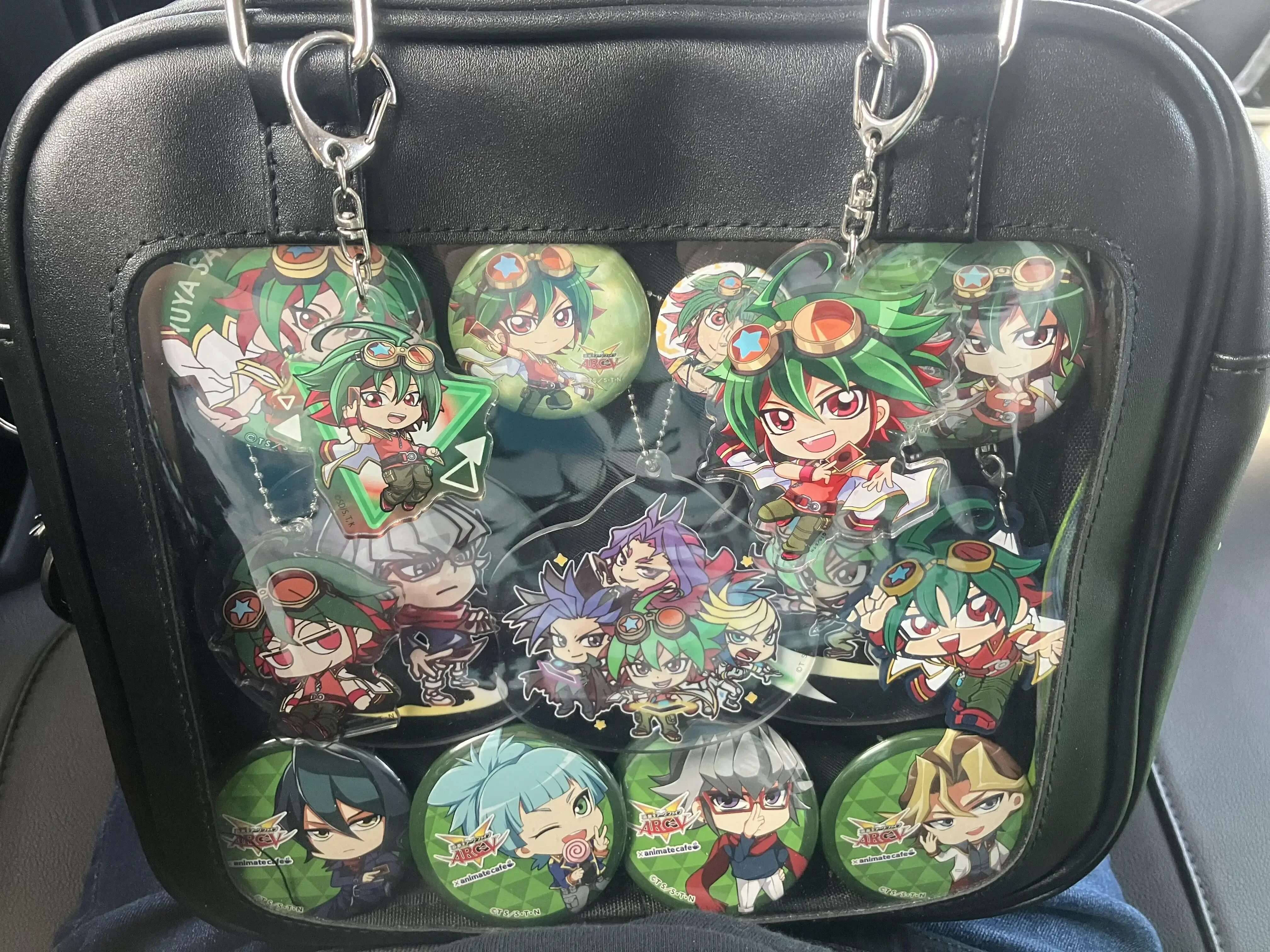
Have you ever noticed that many anime fans carry backpacks covered in pins, or display carefully arranged ita bags packed with badges?
Why are they willing to spend so much money on a single little pin badge?
Let’s talk about it—
How did lapel pins become the ultimate symbol of identity in anime fandom culture?
According to Grand View Research, the global anime merchandising market was valued at USD 12.04 billion in 2025 and is projected to reach USD 23.94 billion by 2033, growing at a CAGR of 8.8% from 2026 onward. (Source: Grand View Research - Anime Merchandising Market Report)

To fans, fictional characters can be light, inspiration, and even emotional support.
But they only exist on screen,
So what do fans do?
They made them into pins!
Pins turn that love into something physical.
Attach them to your bag or clothes, and it feels like your favorite characters are always with you.
“My fave is the best!”
“My OTP is real!”
These emotions want to be seen, touched and collected, hence the badge gets viral.

The moment fans start using fandom slang, they instantly recognize each other.
Collecting merch, opening blind packs, arranging displays...
You might not understand these words—but that’s okay.
Fans do.
Sharing the same language is already the strongest form of identity.

“Ah, a fellow fan—nice to meet you!”
Carrying a bag full of pins is like walking around with a fandom radar.
At conventions, on the subway, in cafe...
Someone suddenly notices your pins and says:
“Wait! You like that series too?”
And just like that, a conversation begins.
Pins are the silent code words of the fandom.

1. Original Meaning in Japan
In Japan, Otaku originally had a slightly negative nuance. It referred to people who were so absorbed in their hobbies that they became socially withdrawn. The term became widely known after the 1980s and was strongly associated with anime and gaming fans.
For example:
Anime collectors
Manga readers with huge collections
Video game enthusiasts
Figure collectors
2. Meaning Outside Japan
Outside Japan, especially in the U.S. and online communities, Otaku is often used more positively. It simply means someone who loves anime and manga a lot.
Many fans proudly call themselves Otaku because it represents:
Passion for anime and manga
Participation in fan culture (cosplay, conventions, fan art)
Collecting merchandise like badges, pins, figures, and posters
3. Common Otaku Activities
Typical things Otaku enjoy include:
Watching anime series
Reading manga
Collecting merchandise (pins, badges, figures)
Cosplay at conventions
Decorating “ita bags” (bags covered with character badges)

4. Related Terms
Weeaboo – A slang term (often negative) for someone overly obsessed with Japanese culture.
Itasha – Cars decorated with anime characters.
Itabag – Bags covered with character badges and merch.
Fun fact: The global popularity of anime like Naruto, Attack on Titan, and Demon Slayer: Kimetsu no Yaiba helped turn “Otaku” into a proud identity for many fans around the world.
Simple definition:
Otaku = A person who is extremely passionate about anime, manga, games, or similar hobbies.
An Ita Bag (痛バッグ / itabag) is a bag decorated with a large number of anime, manga, or game character merchandise, especially badges (pins), keychains, acrylic stands, and plush charms. It’s a popular way for fans to show love and support for their favorite characters.
Ita bags originated in Japan in the early 2000s, initially popularized within the visual kei and otaku subcultures. The term "ita" (痛) jokingly refers to the "painfully" obsessive or flashy appearance of a bag overloaded with character merchandise. They gained mainstream attention in the 2010s and have since spread globally through conventions and social media. For more on the cultural phenomenon, check out this detailed exploration: Exploring the Otaku Phenomenon of Ita Bags - Cultured Vultures
The word comes from Japanese:
痛 (ita) = “painful”
バッグ (bag) = “bag”
“Painful” doesn’t mean it hurts physically. It jokingly refers to the idea that the bag is “painfully flashy” or “painfully obsessive” because it’s covered with so much fan merchandise.
What is OTP?
OTP has a few meanings, but in fandom and anime communities, it most commonly means:
Fans use OTP to express strong emotional support for a specific character pairing.
Beyond fandom, brands are increasingly using custom lapel pins as a powerful marketing tool to build loyalty and visibility — turning customers into walking billboards. From limited-edition drops to employee swag, enamel pins create emotional connections similar to how otaku use them for belonging. Curious about real brand strategies? Check out our in-depth guide: How Brands Leverage Lapel Pins for Marketing Success
Ready to turn your favorite characters into tangible treasures? Welcome to CUGLE — we offer free quotes, free design support, and small-batch customization for your perfect custom pins. Get started today!


