Views: 0 Author: Natasha Publish Time: 2026-03-02 Origin: Site


When customizing metal pins, the soft enamel process is highly favored for its vibrant colors and outstanding texture. However, many customers are unsure whether to add an epoxy coating. The two processes seem related, yet they are actually different.
This article aims to clarify the relationship between "soft enamel" and "epoxy coating" from a professional pin manufacturer's perspective, helping you make a clear and confident decision.
Core Concept: Soft Enamel Is Coloring; Epoxy Is Protection
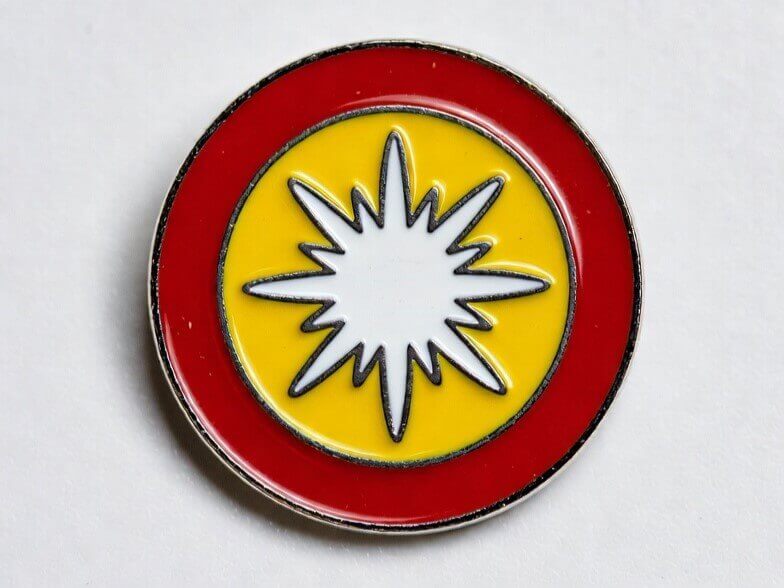
The core concept should first be understood clearly: soft enamel is the fundamental coloring process, while epoxy is an optional surface protection process, and the two are independent steps in the production of metal badges. A soft enamel pin is produced by filling recessed areas of zinc alloy, iron or other metal molds with Pantone color-matched enamel paint and then curing it through high-temperature baking, which leaves the metal lines raised and the colored areas recessed to create a vivid three-dimensional effect.
Soft enamel pins are characterized by rich, durable colors, distinct raised and recessed tactile feedback, and a strong metallic texture that enhances their overall visual impact. Learn more about the soft enamel coloring process in this comprehensive overview.
Epoxy coating, also known as a clear resin or poly dome layer, is applied by covering the surface with liquid epoxy resin that cures into a hard, glossy, crystal-clear protective layer. Its primary purpose is protection and enhancement, as it can prevent scratches and corrosion while creating a smooth and shiny surface finish. It is important to note that the term "epoxy pins" in the market usually refers to printed pins that rely on epoxy to protect the printed design, which is different from the question of whether epoxy should be added to a finished soft enamel pin.
The key decision of whether to add epoxy to a soft enamel pin lies in balancing original texture and long-term durability.
Choosing not to add epoxy means staying true to the authentic design aesthetic, because it fully preserves the raised and recessed texture and crisp metal lines, allowing the fingertips to feel the contours of the craftsmanship, which many consider the soul of soft enamel pins. However, without epoxy, the enamel surface is directly exposed, so its wear resistance is relatively limited and minor surface wear may occur with frequent and long-term use.
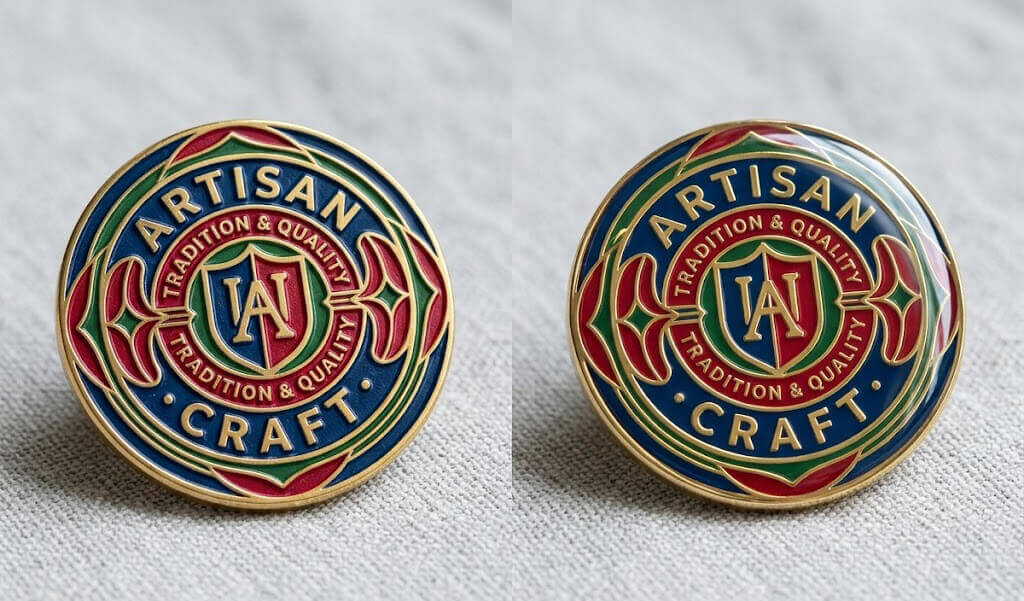
Choosing to add epoxy emphasizes practicality and enhanced protection because the surface hardness, wear resistance, and corrosion resistance are significantly improved, helping the pin maintain a like-new appearance for a longer time. At the same time, epoxy will cover and level the original raised and recessed texture, resulting in a smooth and slightly domed surface, and strong light reflection may slightly reduce the visual sharpness of certain metal lines.
CUGLE offers both epoxy-domed and raw soft enamel finishes—see examples and get a quote tailored to your durability needs
As a professional custom pin manufacturer, we recommend making your decision based on the intended use of the pin. It is generally recommended not to add epoxy if you prioritize design aesthetics and collectible value, seek to preserve the original three-dimensional tactile experience, plan to use the pins for commemorative badges, collectibles, awards or display purposes, or have a limited budget and aim for higher cost performance.
It is generally recommended to add epoxy if the pins will be worn frequently and for long periods, such as employee name badges, club pins, corporate gifts, or promotional items, if you prefer a good and glossy visual effect, or if the pins will be used in more demanding environments, such as outdoor settings or situations involving frequent friction.
For scenarios where you want more inherent durability without epoxy (e.g., premium feel with a flat surface), consider hard enamel as an alternative—read our detailed guide: Soft Enamel vs. Hard Enamel: Key Factors Before Customizing.
There is no absolute standard answer to whether a soft enamel pin should include epoxy coating, because the essence of the decision is to find the balance between artistic texture and practical protection that best aligns with your original customization purpose.
It is advisable to clarify the intended use of your badge, whether for corporate customization or personal commemoration, and your budget in advance, and to communicate thoroughly with a professional pin manufacturer, requesting samples for comparison if necessary, because an ideal custom pin results from a clear understanding of every detail and careful, informed decision-making.
If you're still unsure whether to add epoxy to your soft enamel pins, our team is here to help.
At CUGLE, we provide free professional advice based on your design, usage scenario, and budget — ensuring you get the perfect balance between texture and durability.
Contact us today to get a free quote and design consultation.
Let's create a custom pin that truly fits your purpose.


