For custom keychains, 1.5 inches is the most commonly recommended size. 1.75 inches and 2 inches are also popular choices, offering slightly more space for design details. If your design includes many elements or fine details, a larger size such as 2.25 inches can improve overall visibility and clarity.
For the key ring, a diameter of about 1 inch is generally considered the most practical and comfortable for everyday use.
Our standard minimum order quantity (MOQ) is 100 pieces per design.
Whether you need a small batch or a large order, we are happy to help. However, for better cost efficiency, we generally recommend ordering at least 50 keychains, as very small quantities may have a higher unit price.
If your order quantity is below 50 pieces, you are still welcome to contact us. Our team will help find the most suitable solution based on your design and production requirements.
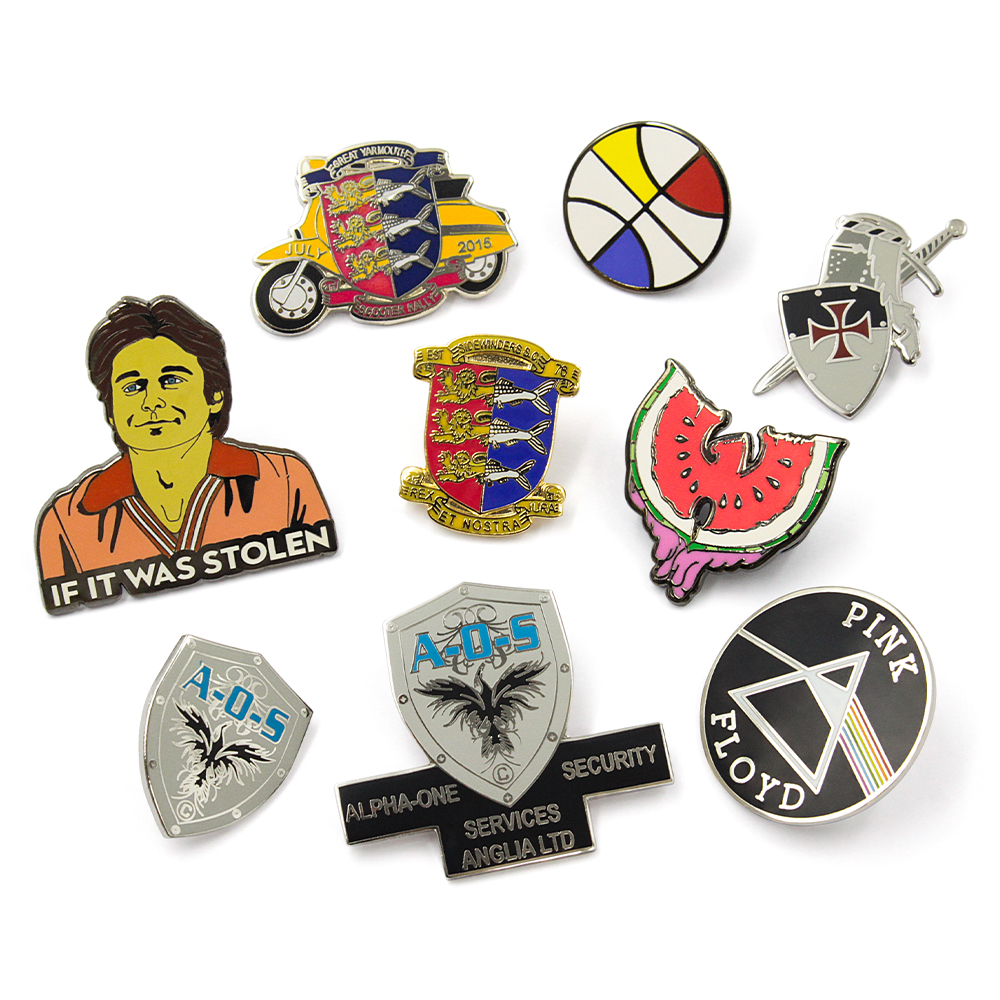
This is our keychain collection. If you see a style you like, feel free to contact us for more details or customization options.
Keychain Gallery
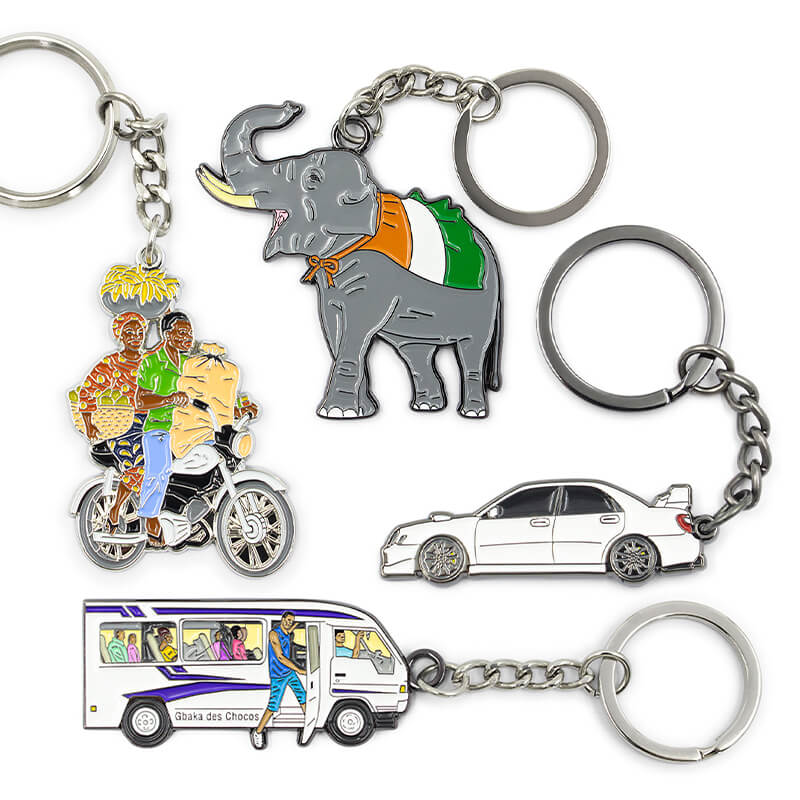

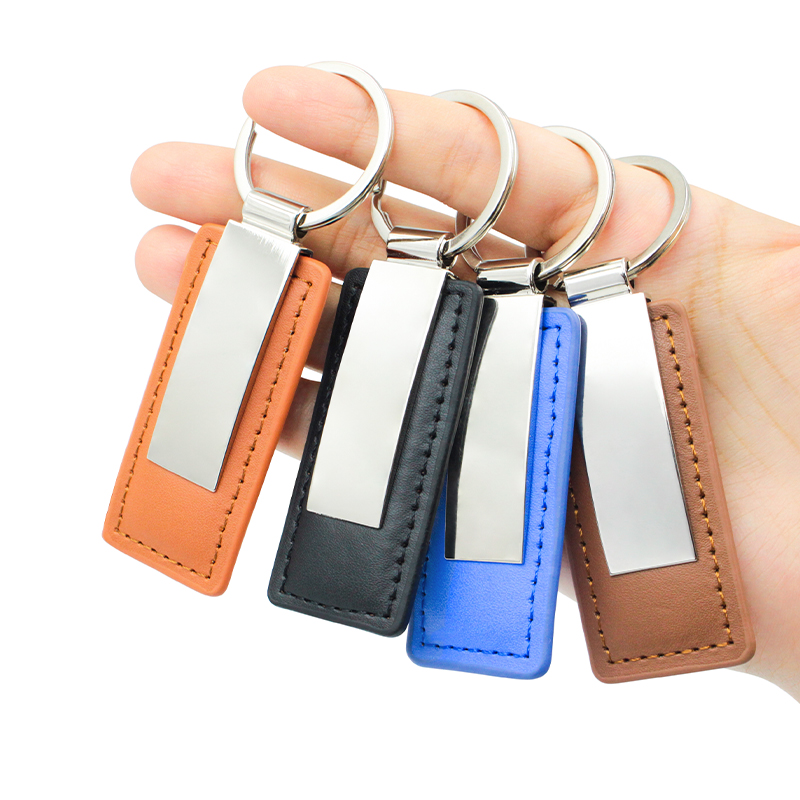

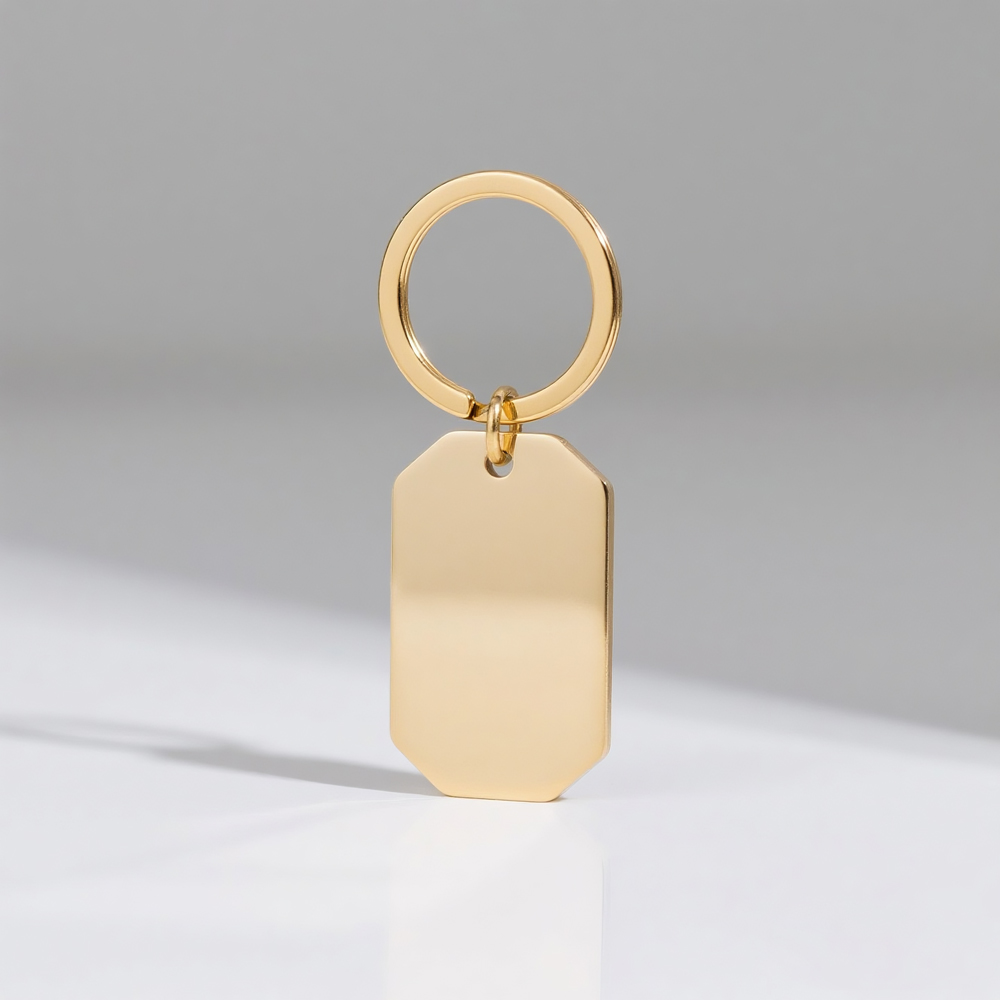
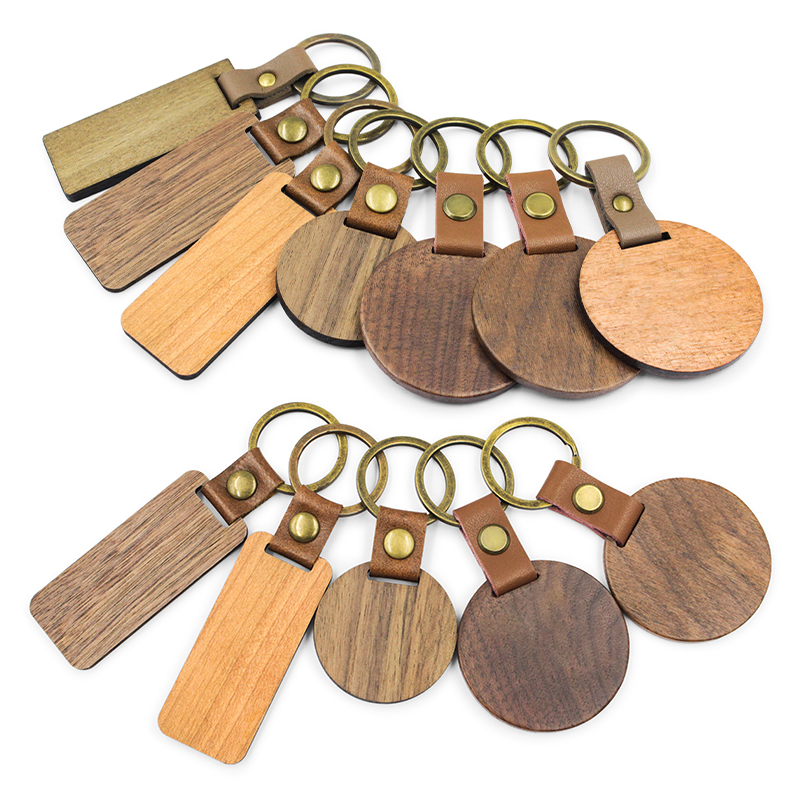
Please note that the material depends on the effect and style you want to achieve. Different materials create different looks, textures, and price ranges.
We offer a variety of options, including metal keychains (such as zinc alloy, iron, and brass), as well as acrylic and PVC keychains.
If you’re unsure which material is best for your design, our team can recommend the most suitable option based on your artwork, budget, and intended use.
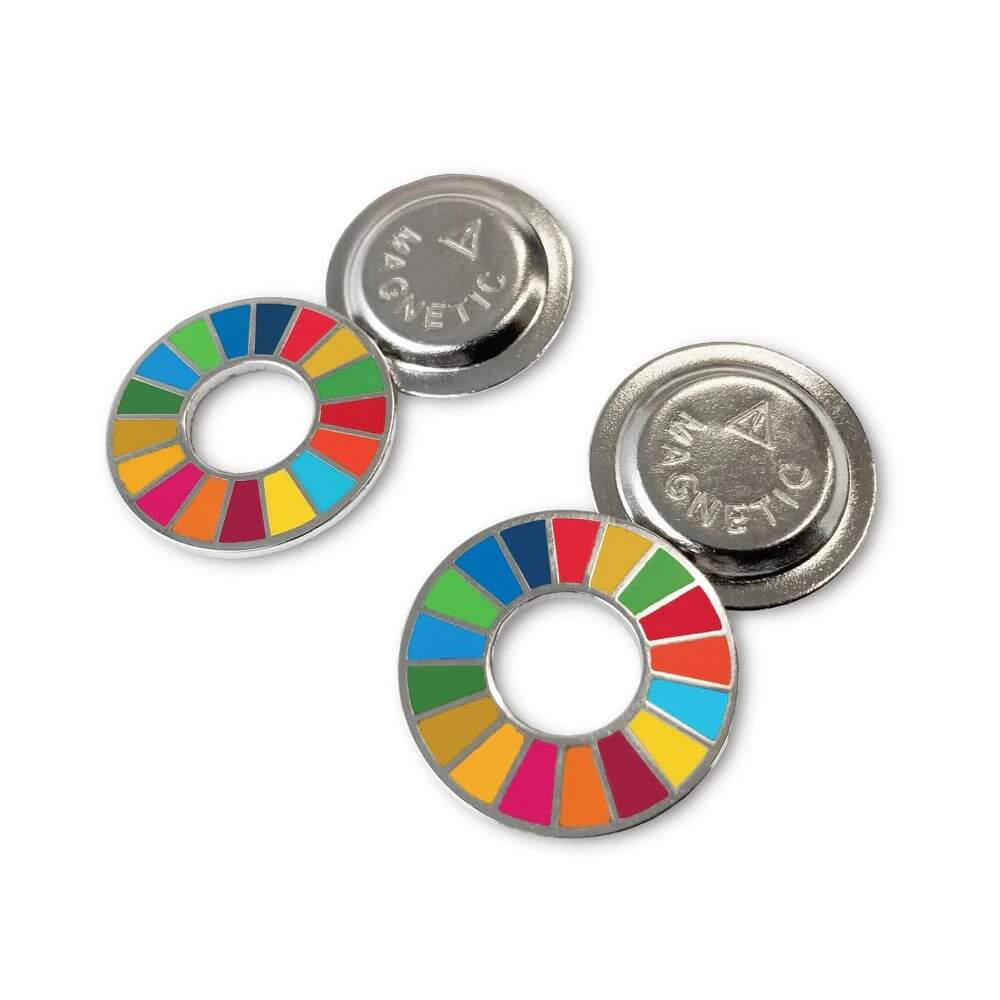
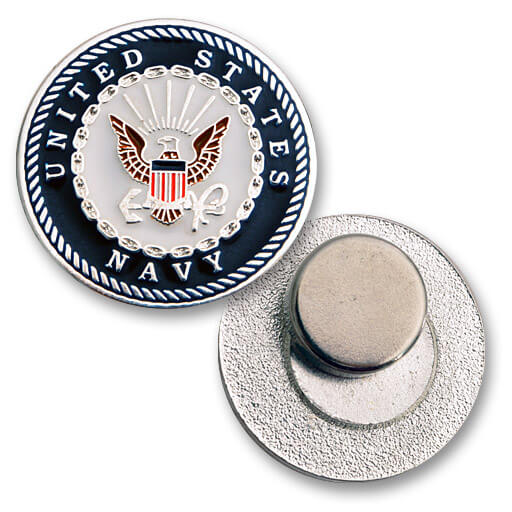
Q1: What is a magnet pin?
A magnet pin uses strong Neodymium magnets (instead of a sharp pin) to attach lapel pins, brooches, name tags, scarves, or hijabs without piercing fabric. It also works as a reusable clip on metal surfaces like fridges or whiteboards.
Q2: What are the key features and uses?
Q3: How is it different from a traditional lapel pin?
Traditional pins pierce fabric with a post + clutch → can leave holes. Magnet pins clamp via magnets → zero damage, flatter look, easier to use, but may slip on thick/heavy fabrics or during intense movement (traditional is more secure then).
What is the difference between soft enamel and hard enamel pins?
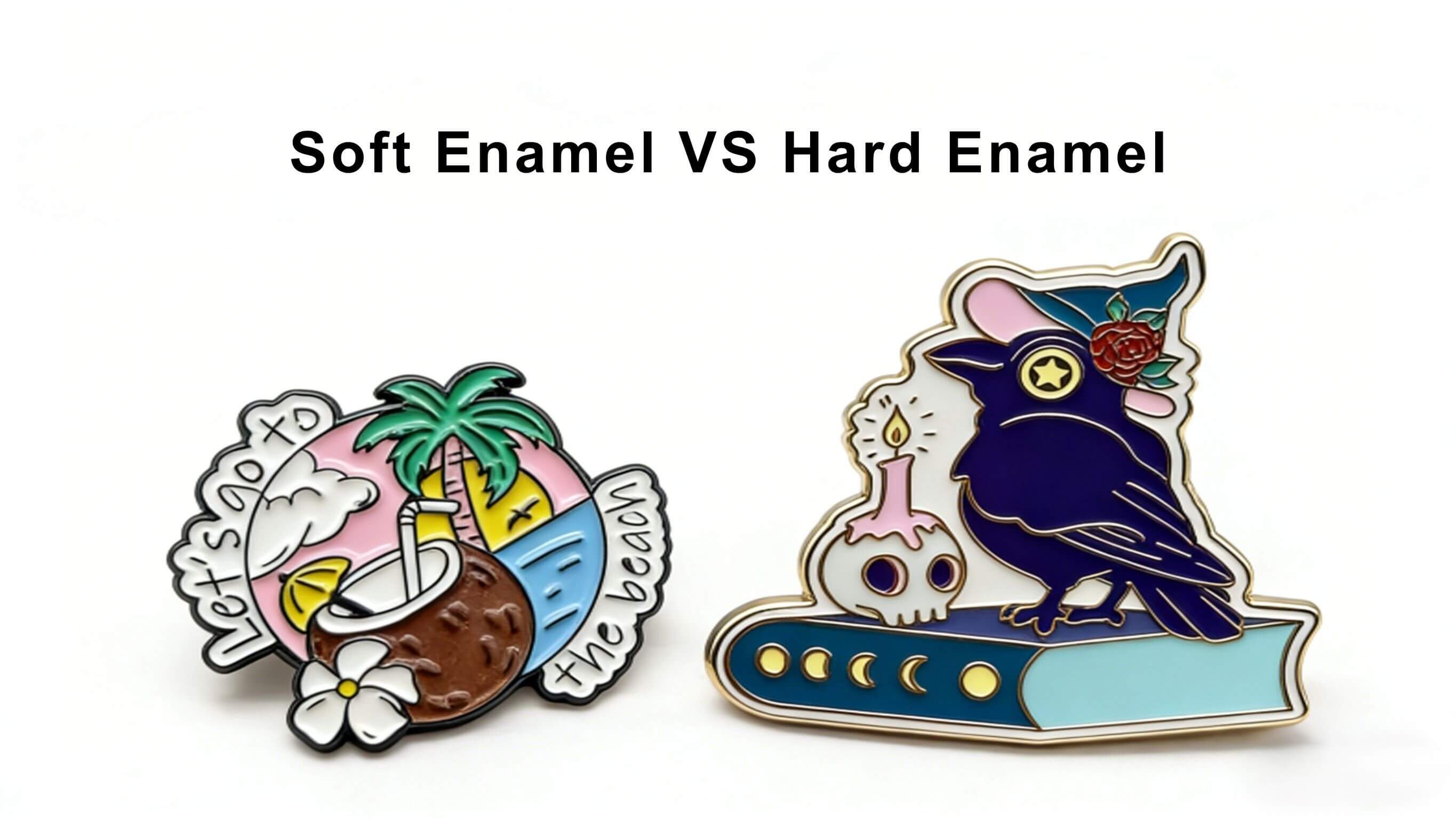
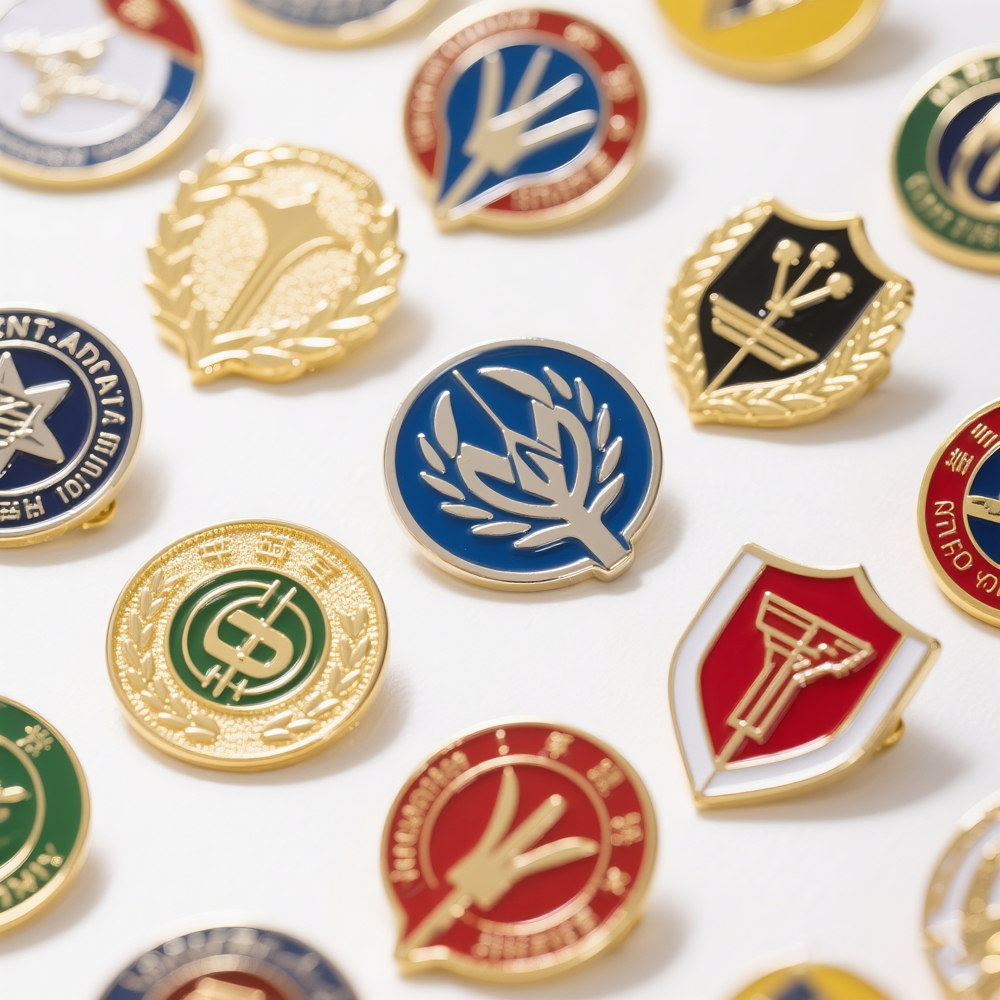
When comparing soft enamel pins vs hard enamel pins, the main difference lies in the finishing process, which affects texture, appearance, durability, and cost.
Soft Enamel Pins: Feature recessed color areas with raised metal edges, creating a textured, dimensional feel. They are ideal for soft enamel pin badges and custom soft enamel pins, offering vibrant colors and a classic look. Soft enamel pins are generally more cost-effective, especially for large orders.
Hard Enamel Pins: Have a smooth, flat, polished surface that feels like jewelry. The enamel is filled, baked, and polished to be level with the metal lines. Hard enamel pins provide a professional, premium appearance and are exceptionally durable. They are slightly higher in cost due to the labor-intensive finishing process, and are perfect for hard enamel pins with custom or luxury designs.
Q2: How do soft and hard enamel pins compare?
| Feature | Soft Enamel Pins | Hard Enamel Pins |
| Finish | Textured, raised metal edges | Smooth, flat, polished surface |
| Appearance | Classic, vibrant colors | Professional, jewelry-like finish |
| Durability | Durable but can scratch over time | Highly durable, scratch-resistant |
| Cost | Cost-effective for large quantities | Higher due to the polishing process |
| Best For | Custom designs, larger orders, collectors | Premium, luxury, corporate pins |
Q3: Which type of enamel pin should I choose?
Choose soft enamel pins if you want customizable designs, vibrant colors, and a lower cost per pin.
Choose hard enamel pins if you want a luxury, smooth finish and long-lasting, professional-quality pins.
Q4: Where can I order soft or hard enamel pins?
You can work with a reputable soft enamel pin manufacturer or dyed enamel pin manufacturer to create your design. Many manufacturers also offer hard enamel pins custom services for corporate pins, trading pins, or collectible pin projects.
If you would like to learn more about the differences between soft enamel pins and hard enamel pins, you can check out this blog post. Soft Enamel And Hard Enamel? Things To Decide Before Customizing Your Lapel Pin.
A lapel pin is the standard and most widely recognized English name for this small decorative or meaningful accessory worn on clothing.
In the United States, it is also commonly called:
Other common names include Soft Enamel Pins, Hard Enamel Pins, Boutonniere (flower-style), Stick Pin, and Brooch (larger decorative version).
Quick Guide to the Most Popular Types (US Buyers Care About This)
Lapel pins follow simple etiquette rules to look polished and professional—whether you're buying ready-made or designing your own custom pin.
Easy Rules for Beginners
Key Occasion Tips
Special Types
When Designing Your Own Custom Lapel Pin Keep these rules in mind so your pin looks perfect when worn:
No experience needed—your pin will follow the rules automatically and look effortlessly stylish!
They are commonly worn on clothing—especially on a jacket lapel—to communicate messages in a subtle and professional way.
Lapel pins are widely used across both business and personal scenarios:
Branding & Promotion
Companies use lapel pins to display logos, strengthen brand identity, and create a professional image at events, exhibitions, or daily business settings.
Employee Recognition & Team Culture
Custom pins are used to reward achievements, boost morale, and build a sense of belonging within teams.
Events & Commemoration
Ideal for conferences, anniversaries, weddings, graduations, and special occasions as memorable keepsakes.
Awareness & Causes
Commonly used for charity campaigns such as breast cancer awareness, helping spread messages and supporting causes.
Membership & Affiliation
Used by clubs, schools, associations, and organizations to identify members and strengthen group identity.
Military & Honor
Serve as symbols of rank, achievement, or honor in military and service organizations.
Collectibles & Souvenirs
Popular among collectors, often featuring unique designs, cultural symbols, or branded elements.
Lapel pins are simple to wear and beginner-friendly:
Typically worn on the left lapel of a jacket (most formal placement)
Can also be used on shirts, bags, hats, or casual outfits
Enamel pins are the most popular choice due to their durability, vibrant colors, and professional appearance
Even first-time buyers can choose and use them without confusion.


Lapel pins are not just decorative—they offer a subtle way to express identity, values, or brand image.
Compared to printed logos or direct advertising, they feel more natural, refined, and less intrusive.
Custom lapel pins can be fully personalized in shape, size, color, and finish.
The process is simple:
Share your idea (logo, sketch, or reference)
Confirm size, style, and quantity
Receive a design mockup for approval
Start production (typically 2–4 weeks)
No design experience is required—professional support is usually provided.
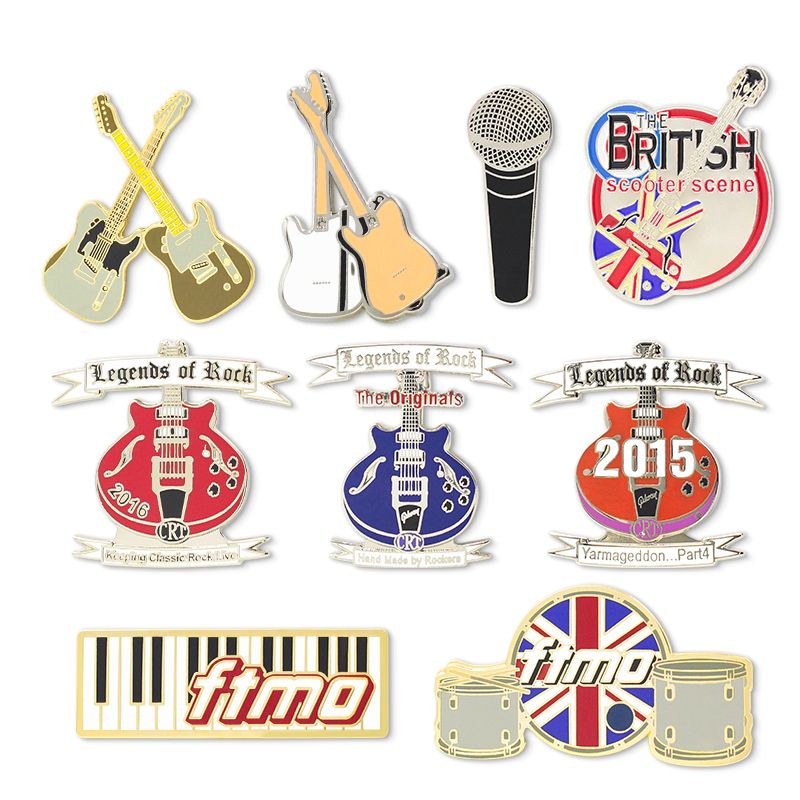
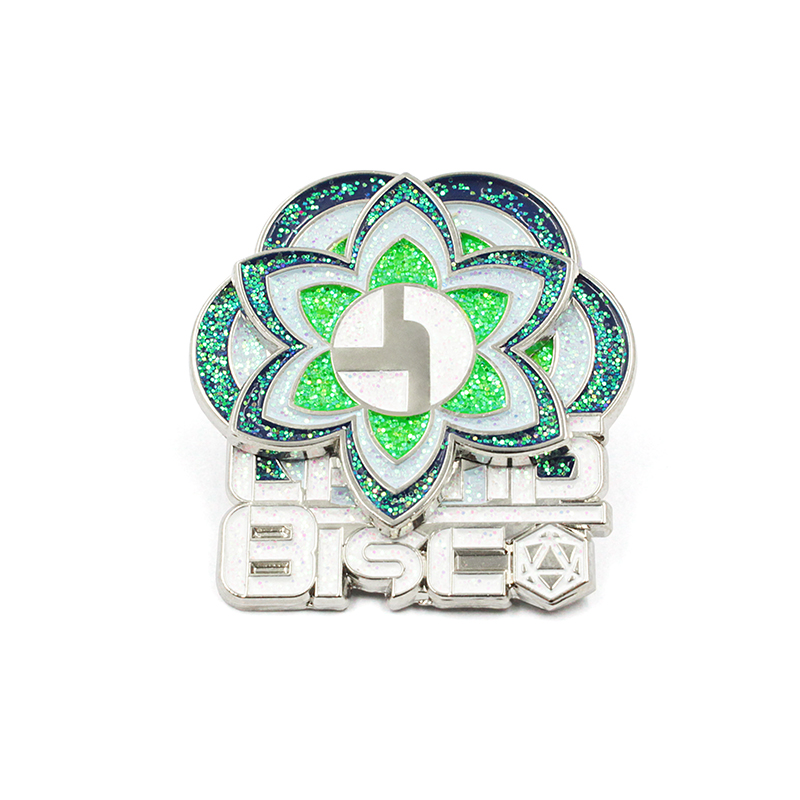
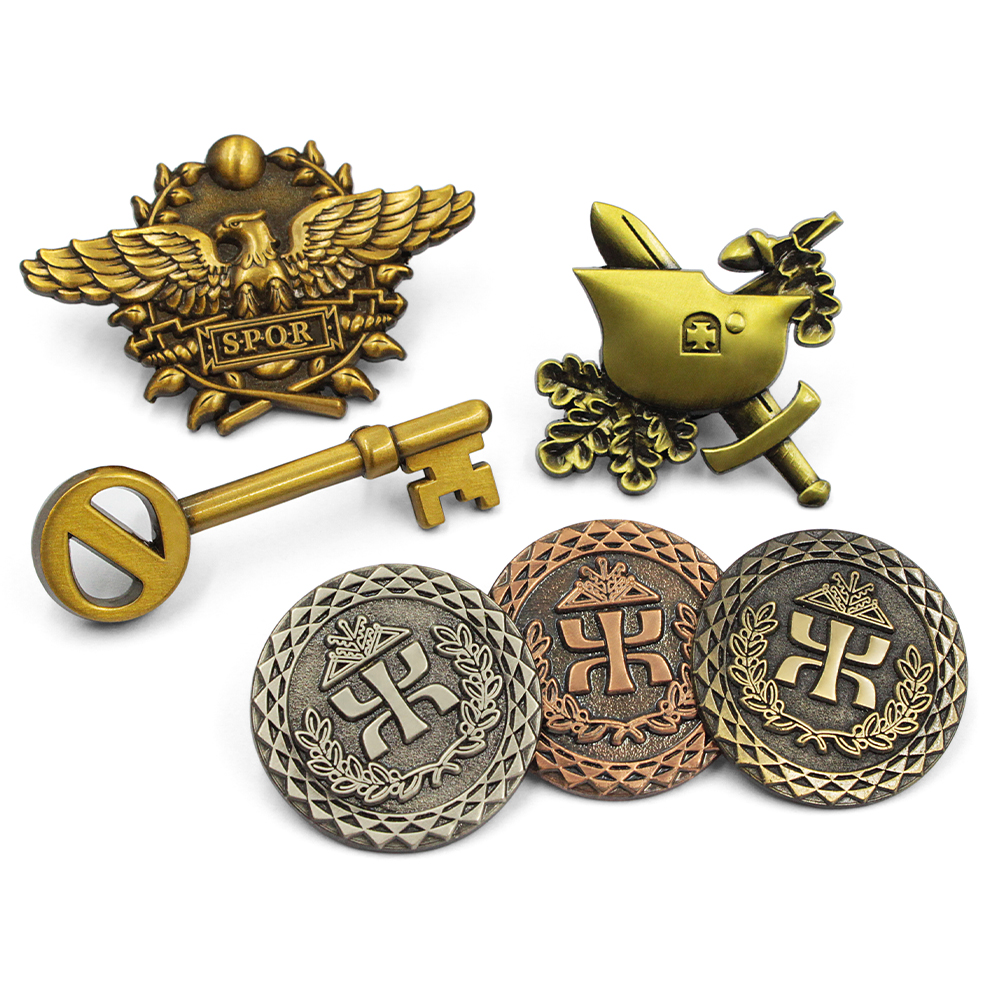
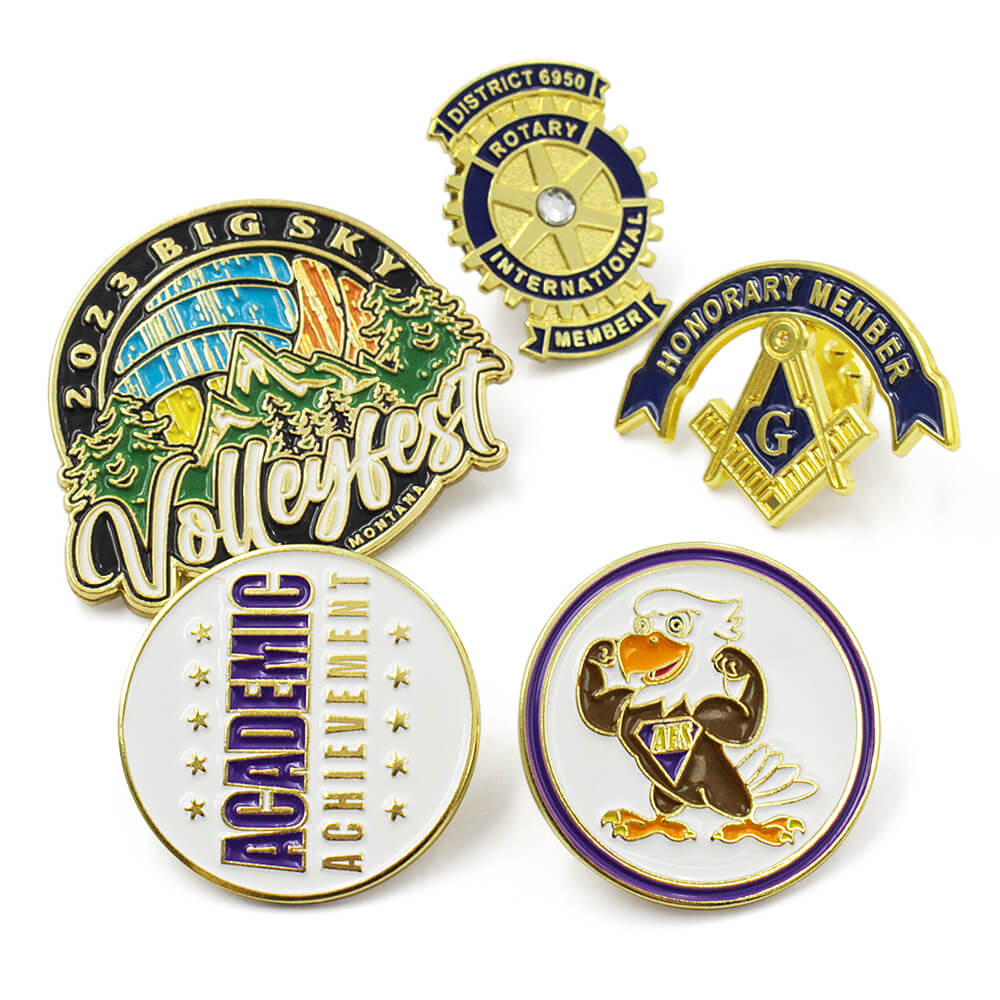
Gallery
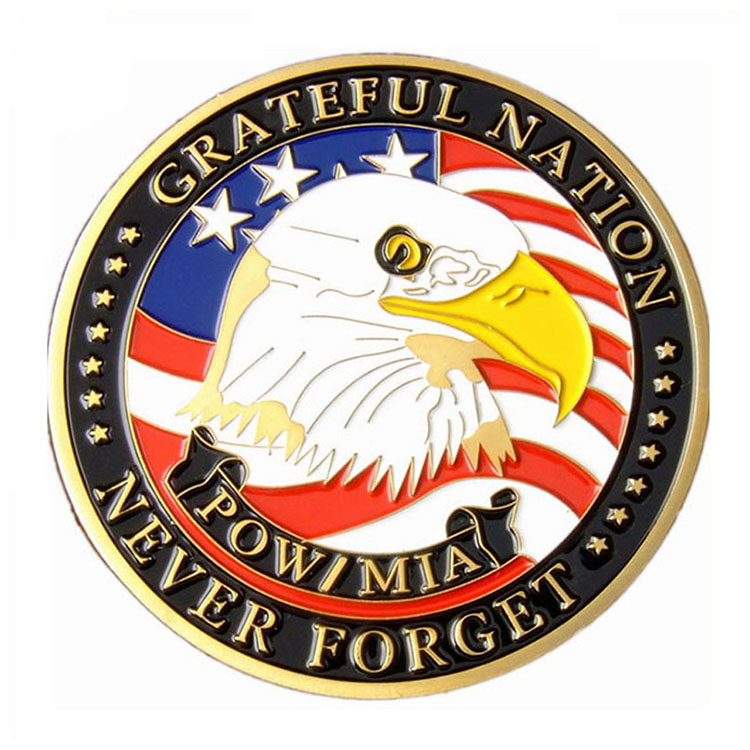
Yes, civilians can own and carry challenge coins. While challenge coins originated in the military and law enforcement, today they are widely used by civilians, companies, alumni associations, nonprofits, and other organizations. Challenge coins can be used to recognize achievements, commemorate milestones, foster camaraderie, or as collectible keepsakes.
Carrying a challenge coin is completely acceptable, especially for collectors, team members, or participants honoring service members.
Purpose
Personal milestones: weddings, alumni reunions, birthdays, team-building events.
Charity and fundraising: commemorative coins for events or campaigns.
Recognition: awards for employees, volunteers, or club members.
Acquisition
Coins can be purchased, gifted, or traded.
Many suppliers offer civilian-friendly custom challenge coins, such as Lone Star Challenge Coins (Texas, USA).
How to Carry
Pocket or wallet: traditional, suitable for everyday carry (EDC).
Keychain, lanyard, or protective case: convenient for display and protection from scratches or loss.
Civilian coins can be carried flexibly based on personal preference.
Etiquette & Play
Military-issued coins: strictly follow military protocol; typically awarded and not challenged.
Custom civilian coins: can be played informally with a simplified “Coin Check” (light or no penalty) in team-building, alumni gatherings, or charity events, as long as everyone agrees on the rules.
The goal is to add fun, engagement, and team spirit while respecting the origin of the tradition.
Real-World Examples
Firefighter teams: awards for service or anniversaries.
Corporate teams: quarterly recognition or lighthearted coin checks at team events.
Alumni clubs and societies: reunion or commemorative coins for members.


Consider durable materials like enamel or brushed metal for everyday carry.
Use protective sleeves or cases to prevent scratches or dents.
Coins can be displayed, carried, or collected based on your personal style.
Want to design your own custom challenge coin for collection, team-building, or commemoration?
Contact Us Now!
A challenge coin is a small, custom-made metal medallion (typically 1.5–2 inches / 3.8–5 cm) featuring an organization’s logo, emblem, motto, or meaningful design. Originally a military tradition, it symbolizes unit pride, camaraderie, shared hardship, and recognition of service.
Today, custom challenge coins are widely used beyond the military, including police departments, fire and EMS teams, schools, universities, corporations, non-profits, and clubs.
Common synonyms: unit coins, commander's coins, memorial coins, medallions, custom coins.

Coin Checks
A fun tradition where a member challenges, “Coin check!”
Everyone must produce their coin within 15–60 seconds.
Failing to do so often results in a small penalty, such as buying a round of drinks, doing push-ups, or other light-hearted consequences.
Presentation & Recognition
Leaders award coins to honor outstanding performance, bravery, or completion of tough missions.
Coins serve as a tangible token of appreciation for service members or team members.
Membership Token
A portable, tangible symbol of belonging to a unit, team, organization, or alumni group.
Promotes pride, morale, and esprit de corps.
Commemoration
Coins mark special events, anniversaries, or milestones in a person’s career or organization.

Military & Veterans: Classic origin, awarded for service, missions, or unit pride.
Police, Fire & EMS: Morale boosters, recognition, and memorial coins.
Corporations & Teams: Employee awards, team-building events, client gifts, company milestones.
Schools & Universities: Graduation tokens, alumni awards, or club recognition.
Non-Profits, Clubs, Esports Teams, Charities: Fundraisers, volunteer appreciation, or community recognition.
Local Examples:
Fork Union Military Academy (Virginia, USA) awards challenge coins to cadets for achievement and leadership.
Syracuse University (New York, USA) uses custom coins for alumni and commemorative events.
New York Police Department (NYC, USA) issues challenge coins to recognize years of service and valor.
| Attribute | Details |
| Size | 1.5–2 inches (3.8–5 cm) – ideal for carrying |
| Materials | Zinc alloy (most common), brass, copper |
| Finishes | Soft/hard enamel, 3D relief, brushed metal, antique copper, gold plating |
| Minimum Order | Usually 50–100 coins |
| Price Range | $3–$10 per coin (depends on color, 3D complexity; mold fee $50–$300 one-time) |
| Production Time | 3–8 weeks (from artwork approval to shipping) |
Police departments award coins for valor or years of service.
Companies give coins to top performers or at team-building events.
Universities use coins for graduation, notable alumni recognition, and reunions.