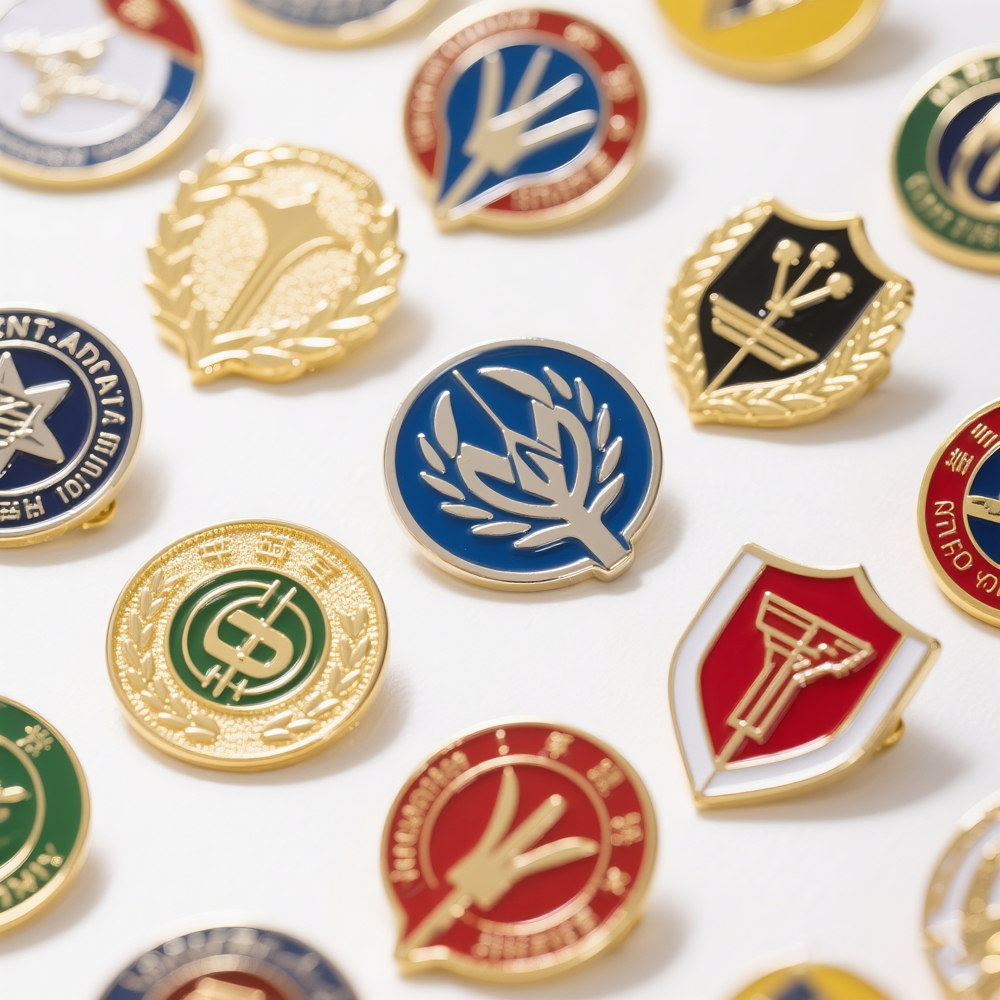
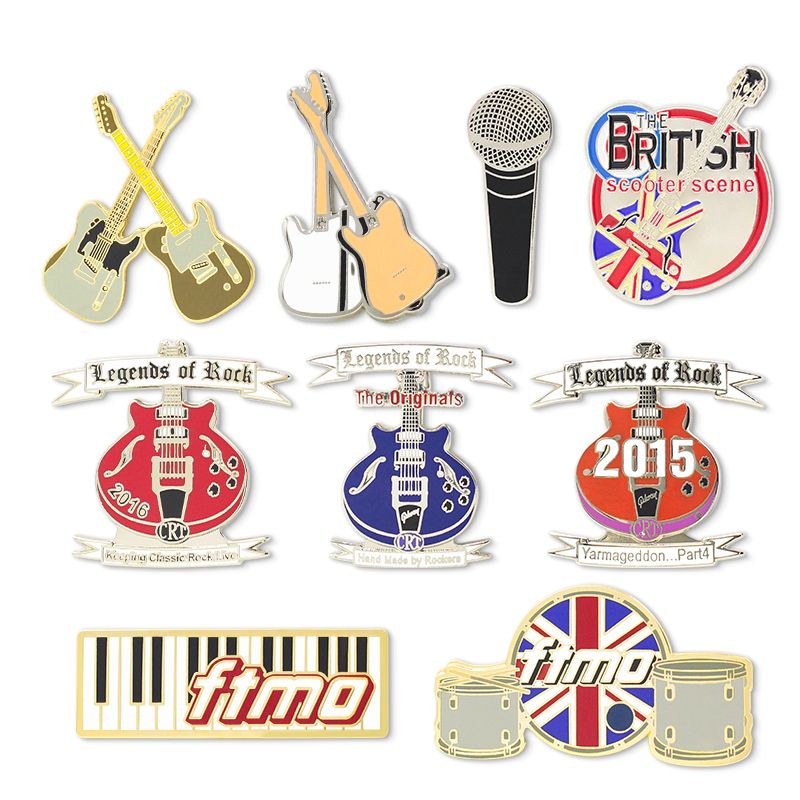
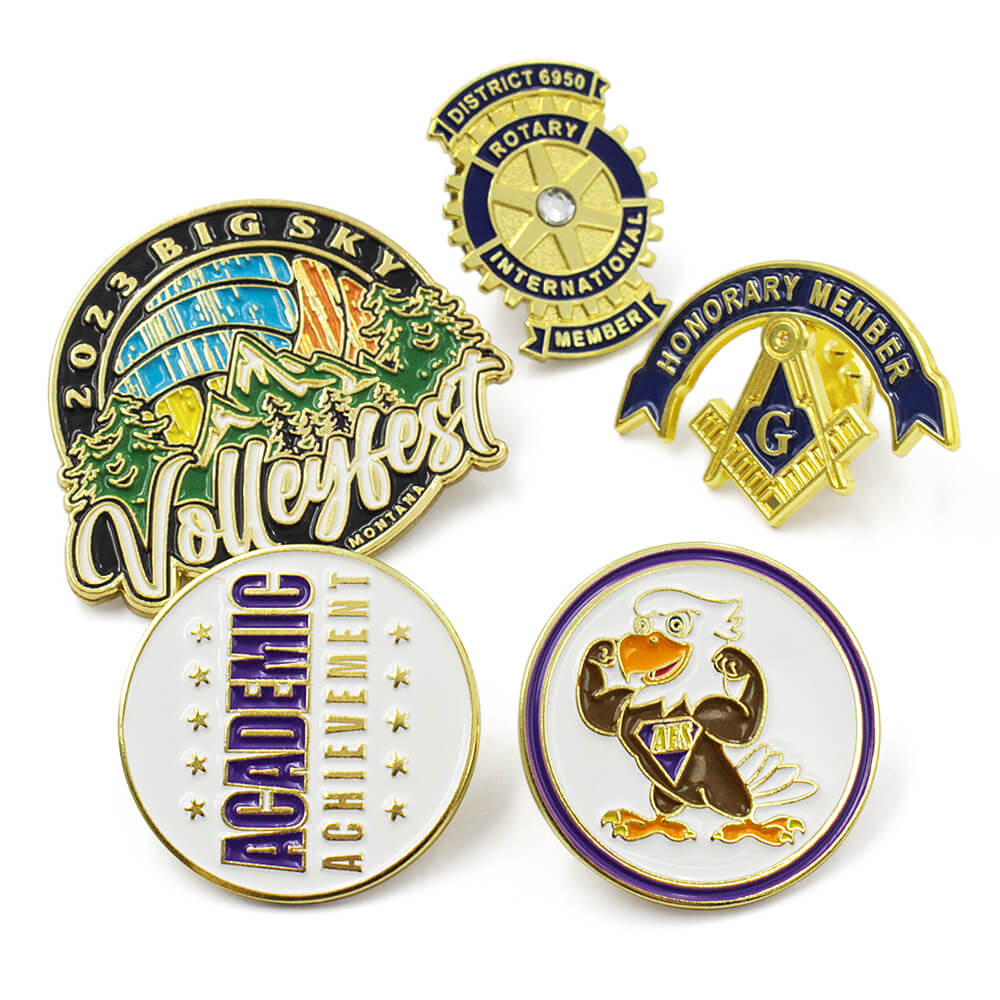
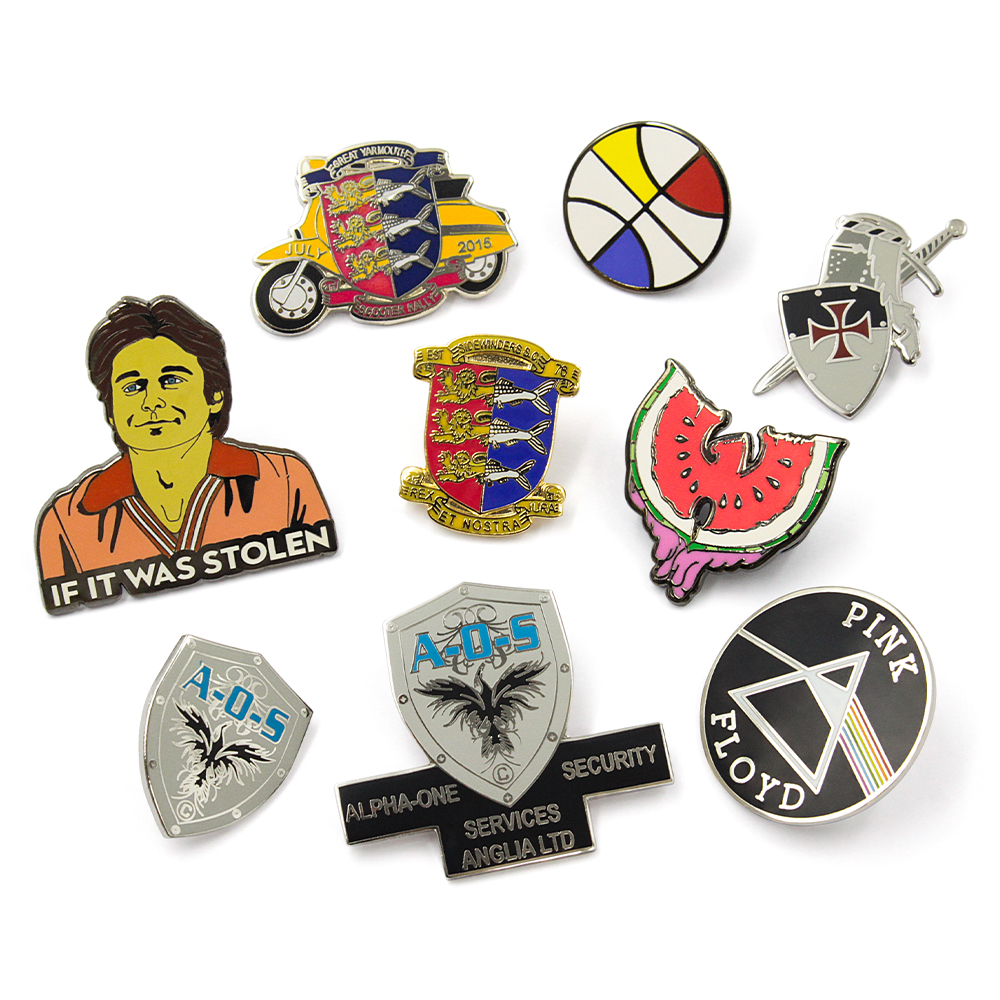
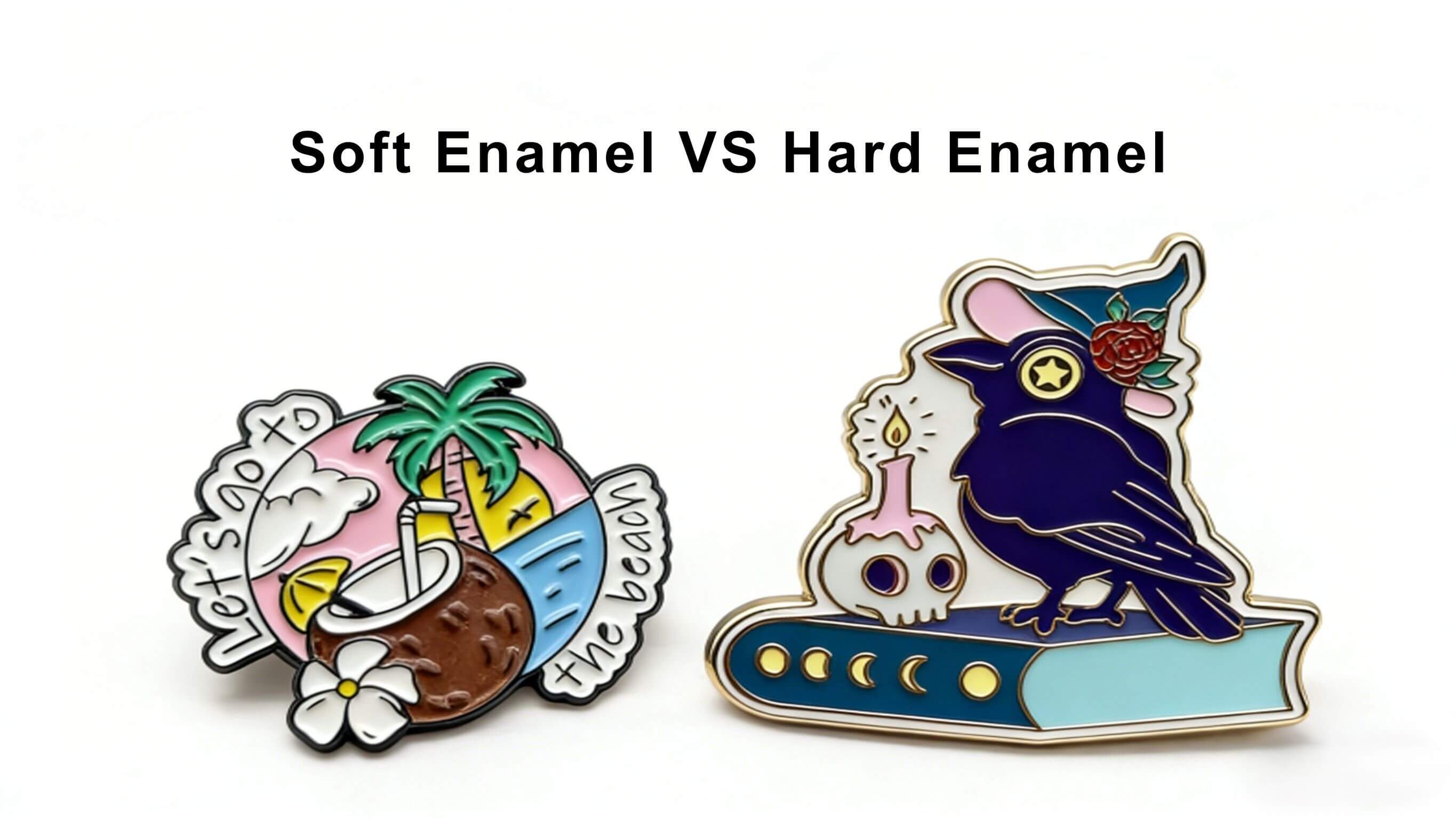
Soft enamel pins are one of the most common types of custom pins. They are made by stamping metal to create recessed areas and then filling those areas with colored enamel.
The metal lines remain raised while the enamel colors sit slightly lower, creating a textured surface with a clear dimensional effect. Soft enamel pins are known for their vibrant colors, detailed designs, and affordable pricing, making them a popular choice for promotional pins, event souvenirs, and fan merchandise.


Hard enamel pins are produced by filling enamel into recessed metal areas and then polishing the surface until the enamel and metal lines are perfectly level.
This process creates a smooth and flat surface with a refined and polished appearance. Hard enamel pins are highly durable and resistant to scratches, giving them a premium look similar to jewelry.
Because of their high-end finish, hard enamel pins are often used for corporate gifts, commemorative coins, and premium brand pins.

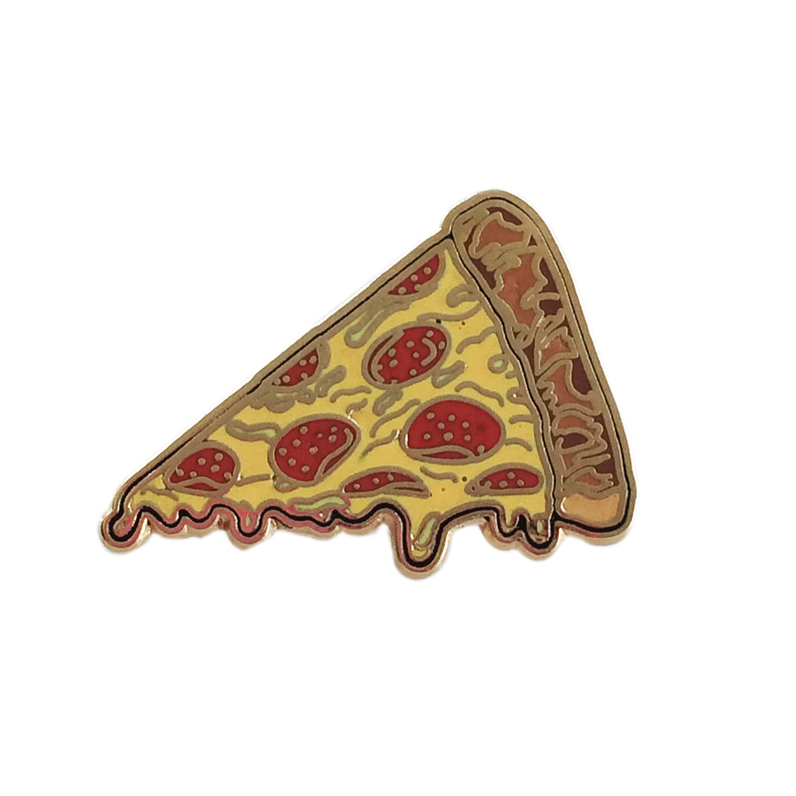
Printed pins, also known as UV printed pins, are created by printing the design directly onto the metal surface using UV printing technology.
Unlike enamel pins, printed pins do not have raised or recessed metal lines. Instead, they allow complex artwork, gradients, and photo-quality images to be reproduced accurately.
Printed pins are ideal for designs with fine details, multiple colors, or gradient effects that cannot be easily achieved with traditional enamel processes.

Soft enamel, hard enamel, and printed pins differ mainly in surface texture, durability, and design capability.
Soft enamel pins have raised metal lines and recessed color areas, creating a textured look with vibrant colors. They are affordable and widely used for promotional purposes.
Hard enamel pins have a completely smooth surface because the enamel is polished flush with the metal lines. They offer a more premium and durable finish.
Printed pins use UV printing to place the design directly on the metal surface, allowing complex images, gradients, and photo details that enamel pins cannot achieve.
Choosing the right option depends on your design style, budget, and the level of detail required.
If you still have any questions, you can check out this blog post of ours:
Soft Enamel/Hard Enamel vs. UV Printed Pin, Which One Fits Your Design?
Send us your design, logo, or idea
Our designers create a digital artwork proof
Confirm the design and production details
Production and shipping begin
If you have any questions, our team will assist you throughout the entire process.
CUGLE is a professional custom metal pin manufacturer in China, offering:
Free design service
Experienced design team
High-quality manufacturing
Competitive factory pricing
Fast production and reliable delivery
We help businesses, organizations, and brands create high-quality custom pins for promotions, recognition, and events.
Q1: What is a magnet pin?
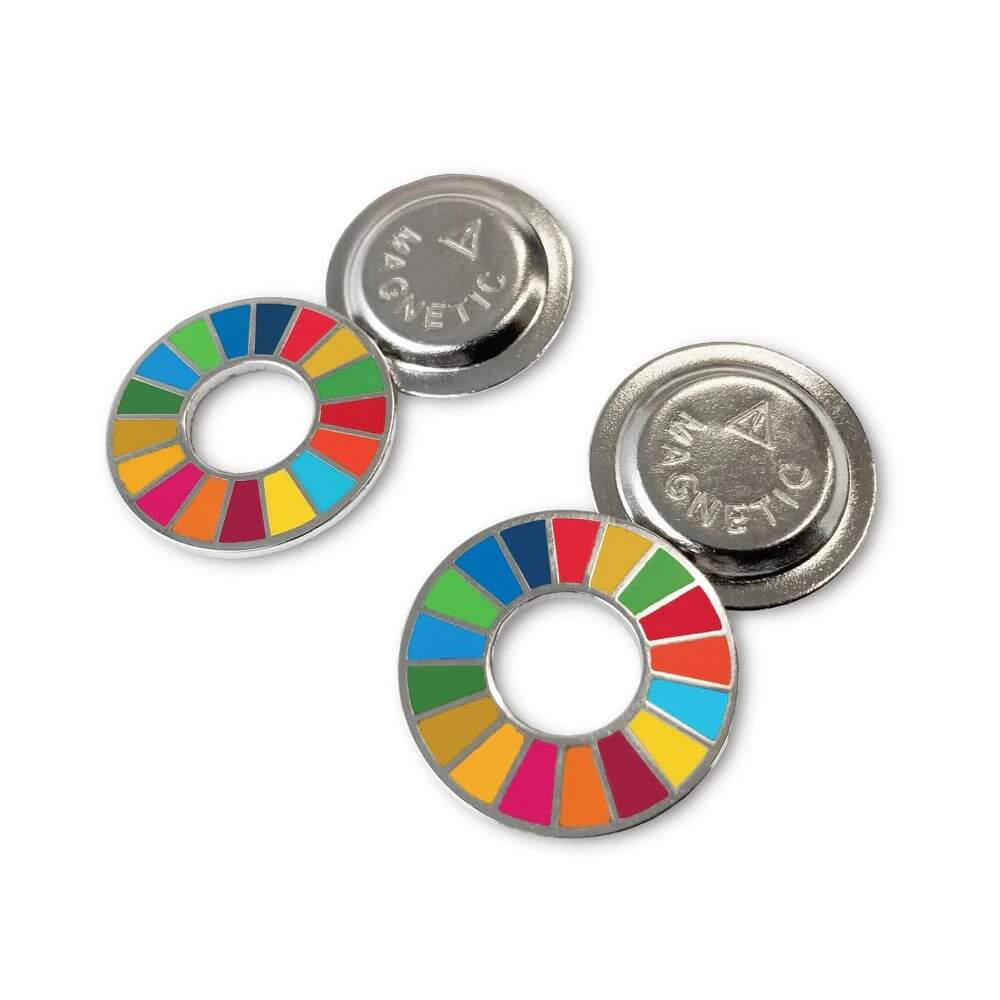
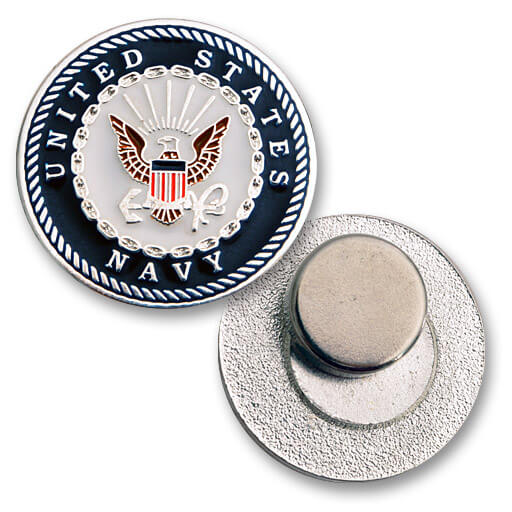
A magnet pin uses strong Neodymium magnets (instead of a sharp pin) to attach lapel pins, brooches, name tags, scarves, or hijabs without piercing fabric. It also works as a reusable clip on metal surfaces like fridges or whiteboards.
Q2: What are the key features and uses?
Q3: How is it different from a traditional lapel pin?
Traditional pins pierce fabric with a post + clutch → can leave holes. Magnet pins clamp via magnets → zero damage, flatter look, easier to use, but may slip on thick/heavy fabrics or during intense movement (traditional is more secure then).
What is the difference between soft enamel and hard enamel pins?
When comparing soft enamel pins vs hard enamel pins, the main difference lies in the finishing process, which affects texture, appearance, durability, and cost.
Soft Enamel Pins: Feature recessed color areas with raised metal edges, creating a textured, dimensional feel. They are ideal for soft enamel pin badges and custom soft enamel pins, offering vibrant colors and a classic look. Soft enamel pins are generally more cost-effective, especially for large orders.
Hard Enamel Pins: Have a smooth, flat, polished surface that feels like jewelry. The enamel is filled, baked, and polished to be level with the metal lines. Hard enamel pins provide a professional, premium appearance and are exceptionally durable. They are slightly higher in cost due to the labor-intensive finishing process, and are perfect for hard enamel pins with custom or luxury designs.
Q2: How do soft and hard enamel pins compare?
| Feature | Soft Enamel Pins | Hard Enamel Pins |
| Finish | Textured, raised metal edges | Smooth, flat, polished surface |
| Appearance | Classic, vibrant colors | Professional, jewelry-like finish |
| Durability | Durable but can scratch over time | Highly durable, scratch-resistant |
| Cost | Cost-effective for large quantities | Higher due to the polishing process |
| Best For | Custom designs, larger orders, collectors | Premium, luxury, corporate pins |
Q3: Which type of enamel pin should I choose?
Choose soft enamel pins if you want customizable designs, vibrant colors, and a lower cost per pin.
Choose hard enamel pins if you want a luxury, smooth finish and long-lasting, professional-quality pins.
Q4: Where can I order soft or hard enamel pins?
You can work with a reputable soft enamel pin manufacturer or dyed enamel pin manufacturer to create your design. Many manufacturers also offer hard enamel pins custom services for corporate pins, trading pins, or collectible pin projects.
If you would like to learn more about the differences between soft enamel pins and hard enamel pins, you can check out this blog post. Soft Enamel And Hard Enamel? Things To Decide Before Customizing Your Lapel Pin.
A lapel pin is the standard and most widely recognized English name for this small decorative or meaningful accessory worn on clothing.
In the United States, it is also commonly called:
Other common names include Soft Enamel Pins, Hard Enamel Pins, Boutonniere (flower-style), Stick Pin, and Brooch (larger decorative version).
Quick Guide to the Most Popular Types (US Buyers Care About This)
Lapel pins follow simple etiquette rules to look polished and professional—whether you're buying ready-made or designing your own custom pin.
Easy Rules for Beginners
Key Occasion Tips
Special Types
When Designing Your Own Custom Lapel Pin Keep these rules in mind so your pin looks perfect when worn:
No experience needed—your pin will follow the rules automatically and look effortlessly stylish!
They are commonly worn on clothing—especially on a jacket lapel—to communicate messages in a subtle and professional way.
Lapel pins are widely used across both business and personal scenarios:
Branding & Promotion
Companies use lapel pins to display logos, strengthen brand identity, and create a professional image at events, exhibitions, or daily business settings.
Employee Recognition & Team Culture
Custom pins are used to reward achievements, boost morale, and build a sense of belonging within teams.
Events & Commemoration
Ideal for conferences, anniversaries, weddings, graduations, and special occasions as memorable keepsakes.
Awareness & Causes
Commonly used for charity campaigns such as breast cancer awareness, helping spread messages and supporting causes.
Membership & Affiliation
Used by clubs, schools, associations, and organizations to identify members and strengthen group identity.
Military & Honor
Serve as symbols of rank, achievement, or honor in military and service organizations.
Collectibles & Souvenirs
Popular among collectors, often featuring unique designs, cultural symbols, or branded elements.
Lapel pins are simple to wear and beginner-friendly:
Typically worn on the left lapel of a jacket (most formal placement)
Can also be used on shirts, bags, hats, or casual outfits
Enamel pins are the most popular choice due to their durability, vibrant colors, and professional appearance
Even first-time buyers can choose and use them without confusion.


Lapel pins are not just decorative—they offer a subtle way to express identity, values, or brand image.
Compared to printed logos or direct advertising, they feel more natural, refined, and less intrusive.
Custom lapel pins can be fully personalized in shape, size, color, and finish.
The process is simple:
Share your idea (logo, sketch, or reference)
Confirm size, style, and quantity
Receive a design mockup for approval
Start production (typically 2–4 weeks)
No design experience is required—professional support is usually provided.
Gallery