Views: 0 Author: Site Editor Publish Time: 2026-04-09 Origin: Site


Quick Answer:
The main types of custom lapel pins include hard enamel pins, soft enamel pins, die-struck pins, and UV-printed pins. Hard enamel offers a jewelry-like finish, soft enamel provides vibrant colors and cost efficiency, die-struck pins deliver a formal metal appearance, and UV-printed pins are ideal for complex or photo-based designs. Choosing the right type depends on budget, design complexity, lead time, and brand positioning.
Table of Contents
Lapel pins have a rich history, originating from functional clothing fasteners in the Bronze Age and ancient totems. Over time, they have evolved into powerful symbols of identity, political affiliation and personal style.
Throughout this evolution, the craftsmanship behind lapel pins has advanced significantly. Today, popular types include soft enamel pins, hard enamel pins, die-struck pins and UV-printed pins, all widely used across different industries and purposes.
Choosing the right production method depends on several factors, including your budget, design complexity, production lead time and intended use. Once you've selected the type of pin that best suits your needs, you can further enhance its appeal with advanced customization options such as glow-in-the-dark effects, glitter finishes, rotating pin and more.
For brands that are new to custom lapel pin, one common question often arises after understanding where to wear them: “Which production method best represents my brand?”
In the following sections, we'll introduce the key characteristics of each pin-making technique and provide clear, practical insights to help you make an informed decision.
Features: Smooth and flat surface; jewelry-like texture; and excellent durability; good for simple design
Suitable for: Corporate branding, high-end business gifts, and employee badges designed for long-term wear.

Features: Raised and recessed metal lines create a textured look, paired with vibrant colors; Cost-effective and highly versatile, this is the most popular type of lapel pin; good for both simple and complicated designs.
Suitable for: Sports activities, Fans merch, promotional events

Features: A pure metal finish with no color fill, using polished and sandblasted surfaces to create light-and-shadow contrast for a refined, formal appearance.
Suitable for: medallions, government anniversary commemorations, and long-service employee awards.

Features: capable of accurately reproducing gradient colors and intricate details.
Suitable for: designs with a photo and a complicated logo.

Glitter can be added to both hard and soft enamel pins. It is available in a wide range of solid colors, as well as a translucent, iridescent “rainbow” option that complements most enamel shades. However, there are a few things to keep in mind when planning your sparkly masterpiece.

Lapel pins are highly versatile and can certainly be made with rhinestones. Of course, these rhinestones are not real gemstones; they are known as faux rhinestones. “Faux” is simply a term for imitation or artificial. Although the stones used in lapel pins are not genuine, they still provide the sparkle and shine you're looking for.

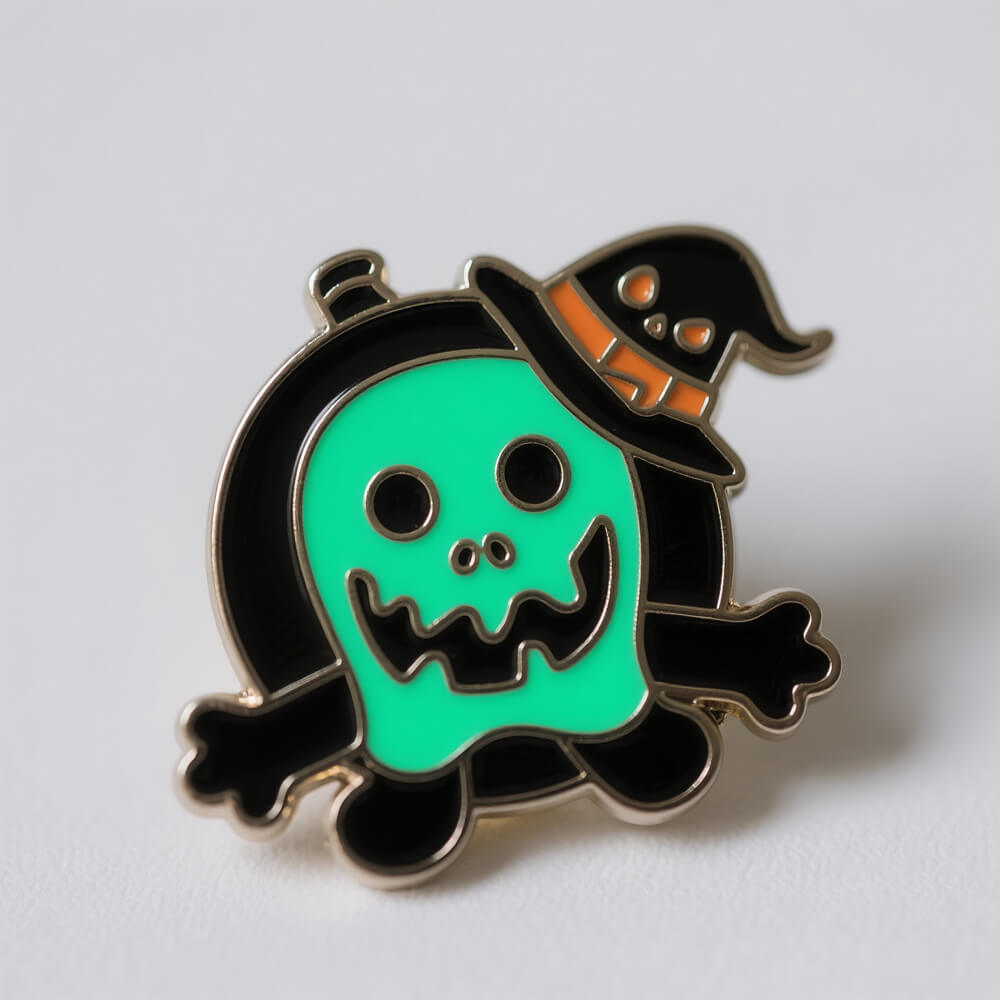
By incorporating special compounds into the materials, lapel pins can absorb light during the day and glow in the dark. This not only enhances their visual appeal but also adds functionality, making them especially effective in pin design.
We offer dynamic pin designs such as spinning, hollow and sliding features, enhancing both the fun and interactivity of your brand.

We offer free professional design services and recommend the most suitable production process based on your logo.
With low minimum order quantity of just 100pcs (MOQ), and even lower order quantity options are available for certain products, we help reduce inventory risk.
As a factory-direct supplier, we ensure competitive pricing and work with long-term logistics partners to deliver worldwide within 7-14 days.
Get free artwork, fast quotation, and professional manufacturing support for your custom lapel pins.
Q1: How do I know which production method is best for my logo's complexity?
A: Choosing between different processes often depends on your specific artwork. If your design has intricate details or color gradients, a UV-printed pin might be better than traditional enamel. For a detailed comparison of how these methods affect your final look, check out our guide: Soft Enamel/Hard Enamel vs. UV Printed Pin, Which One Fits Your Design?
Q2: Will my custom lapel pins lose their luster over time?
A: Like any jewelry-grade item, metal pins can tarnish if not handled properly. However, with basic maintenance, they can stay vibrant for years. We’ve put together a Badge Care Guide to help you and your customers maintain their collection.
Q3: Are magnetic backings strong enough, or should I stick to traditional clutches?
A: While magnetic pins are excellent for protecting clothing, the best backing actually depends on the weight of the pin and where it's worn. Surprisingly, 90% of people get it wrong when selecting attachments. You can learn how to match the right hardware in our article: How to Choose the Right Pin Backs for Your Badges
Q4: Should I add a clear dome (epoxy) to my soft enamel pins?
A: Adding an epoxy coating can protect the paint and give the pin a smooth, rounded finish, but it also changes the classic "recessed" feel of soft enamel. This is a common ultimate dilemma for soft enamel pins, and we've explained the pros and cons in depth here: The Ultimate Dilemma for Soft Enamel Pins: To Add Epoxy or Not?


